La Lettre à Élise (100% Chenin Blanc), Domaine Mosse, NV, Loire Valley
(13.5 % abv)

Me on my way to a Loire Valley tasting

I’m a ridiculously huge fan of the whites from the Loire Valley.  Just as Pavlov’s dogs salivate at the sound of his bell, simply saying the words “white” and “Loire” in the same sentence around me will cause feverish sweats of desire and intense mouth-watering.  It is not a pretty sight.  Quite embarrassing, in fact, and I am now forced to carry a slobber towel at all times.

Agnès and René Mosse have followed an interesting path.  Originally owning a wine bar/retail shop in Tours, many great winemakers came through their door.  Over time, they were bitten by the bug themselves and left that world to study viticulture and winemaking with some of the best in the business.

After two years at the agricultural lycée in Amboise, they set off through the French countryside and worked the prized fields and wineries of the Côte-de-Beaune.  Armed with this knowledge, it was time to stake their own claim.  They returned to their home base in the Loire Valley and bought a small estate in St-Lambert-du-Lattay, in the Coteaux-du-Layon area of Anjou.

From the moment they first stuck their shovel in the soil, they’ve used organic viticultural techniques and treated the vines and earth with biodynamic preparations.  The “natural” winemaking continues in the winery and they make as few manipulations of the wine as possible and only reach for the sulfur when absolutely necessary.

In this case, their years of slinging bottles followed by earnest study and hard work have paid off.  This is the first wine I have had from them, and it is a tasty one.
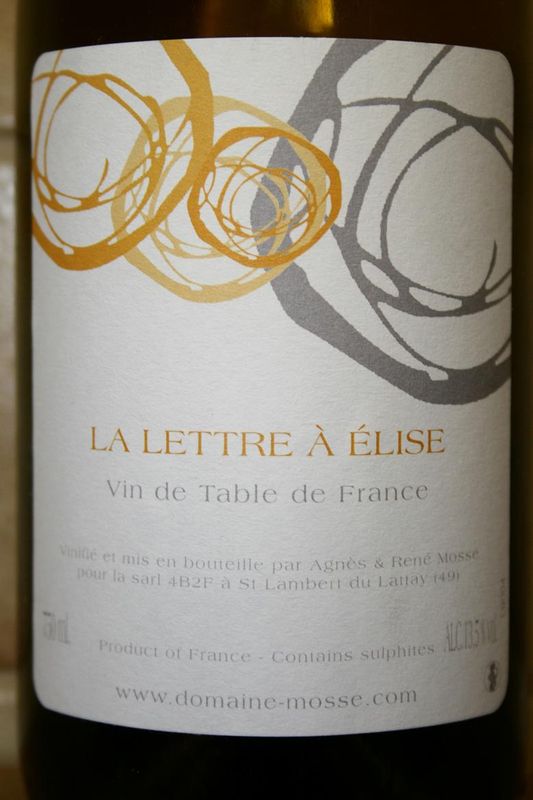
As with the majority of Chenin Blanc from the Loire, the aromatic notes of the La Lettre à Élise are hypnotic.  With a nose reminiscent of a wildflower meadow just after a quick summer rain, I then experienced buttered popcorn rolled in honeysuckle and green apple.  On the palate, it’s a medium-bodied wine with similar notes as on the nose, but with the addition of a delicious creamy nougat and a hint of turpentine on the back end.

Chenin Blanc is a great grape, as (in the right hands, at least) it provides a juicy wave of acidity akin to a ride on the log flume at a waterpark.  The La Lettre à Élise is no exception.

I’m thrilled that the Mosses have found their groove in the Anjou.  I can now add the word “Mosse” to the list of words that turn me into a salivating, desirous beast…

**To find this wine near you, contact Louis Dressner Selections HERE

Agnès and René Mosse
All the birds sing words and the flowers croon.  In the Tiki, Tiki, Tiki, Tiki, Tiki Room.

That’s how the song went.  And really that’s all I remember of the words, but the Enchanted Tiki Room at Disneyland still sticks with me vividly.  Images of singing robotic birds, steamy jungles and Polynesian gods made into animated rock sculptures is transfixing.  I remember the whole feeling of the place as so otherworldly and, yep, a bit terrifying.

But I’m not alone.  Americans have been strangely fixated on Tiki culture for quite some time.  And over the years, resurgences have come and gone.  Lo and behold, 2010 is proving to be the start of another tidal wave of fascination as a number of serious cocktail joints have opened in NYC paying homage to the realm of the tiki drinks (check out Painkiller and the soon-to-open The Hurricane Club).

As we move into the final couple of weeks of summer, it only seems appropriate for you to whip out the flowered shirt, pull out the tiki mug, pop the cassette tape of Elvis’ Blue Hawaii in the VCR and invite your friends over for a Luau.  In honor of the thousands of shrunken heads tucked away in closets, I give you the Mai Tai.

Two men are responsible for the creation of this incredible drink…well, one is in reality, but the war is heated as to exactly who it was.  Without going into a thesis on Tiki culture and how it swept through the US after World War II, it helps to know this:  In 1934, Ernest Raymond Beaumont-Gantt opened the first-ever Polynesian-themed restaurant/bar in Hollywood named Don the Beachcomber.  Later that same year, Victor Bergeron opened Trader Vic’s in San Francisco.

Both men were inspired by their travels through the South Pacific and were fascinated by the exotic Rums they came across.  In 1944, Victor Bergeron is said to have created the Mai Tai.  BUT, Ernest (aka “Donn Beach”) is credited with first adding flavored syrups and fresh fruit juices to make exotic Rum punches.  He was pissed that Trader Vic’s would take the credit (but hopefully my wee mention of his contribution will help calm his fury).  The reality is, Trader Vic’s went on to restaurant chain glory and brought with it their version of the Mai Tai.

Listing all possible variations of this cocktail may just bury me in a desolate corner of quicksand surrounded by maniacally singing birds, so I’m going to stick with what many consider the superior version of this drink.  It is a dazzlingly unique cocktail, and with its combinations of tropical flavors is sure to transport you somewhere far away.  I hope the Tiki Gods will approve.

PART & PARCEL

  • 2 ounces Jamaican Rum (try Appleton Extra; for a more authentic version, substitute 1 ounce of an aged rum such as Rhum J.M Vieux 1997 for 1 ounce of the Appleton)
  • 1 ounce of fresh Lime Juice
  • 1/2 ounce Curaçao
  • 1/4 ounce Orgeat Syrup
  • 1/4 ounce Rock-Candy Syrup (simple syrup with a drop or two of vanilla extract)

FILLING THE BILL

Pour all ingredients into a mixing glass and fill with ice.  Shake for a good 10 seconds while singing a verse from the Enchanted Tiki Room.  Strain over crushed ice in an old-fashioned glass and garnish with a lime wedge.  Your call on adding the pineapple hunk, the umbrella and the cherry.  If you are using the version with the aged Rum, try floating that on top after the drink has been poured.


We hope that it fills you with pleasure and glee
Because if we don’t make you feel like that
We’re gonna wind up on the lady’s hat

(from the Enchanted Tiki Room)


A Bounty of Burning Goodness

“Don’t do it, man.  It’s not worth it”.

The advice was succinct and deadening to my soul.  Enough to take the wind out of anyone’s sails.  But we decided to push on.

Last month, the idea hit my wife and I to trick out our Saison homebrew recipe and do something a little different, something a little off the beaten path.  I mean, that’s where the interesting parts of life lie, right?  Green chilies popped into our minds.

The play between the lemon zest, the spicy notes of the yeast, the refreshing drinkability of the wheat would go perfect with some heat.  It seemed inspired.  But we’d never brewed with chilies before…

I turned to the Beer Advocate homebrewing forum for advice.  My question was simple: “Hi, looking to brew a Green Chili Saison, anyone recommend when to put the chilies into the equation?  The boil stage?  In the secondary fermenter?”  What I got was an instant response of disgust and a heaping spoon full of vitriol.

The answers went something like this:

“I started gagging just thinking about this”

“Are you sure you want to put green chilies in a Saison (gag)?”

“What makes you think that will be a good combination?!”

I explained my stance: the inherent spiciness of the style might go well with a touch of pepper flavor and a little heat.  But only enough that still lets the beer flavors come through.

I became nervous and questioned the venture.  If I was going to waste hours upon hours of time, and have to pour out another five gallons of beer (see video here), I wanted to know if this was truly a shitty idea.

It was then that a few brewers came to my rescue.

“Don’t pay attention to the naysayers.  It’s homebrew, have fun with it and experiment.  I think it’ll be tasty”

Another said, “Brew for yourself.”

Fuck yeah, I thought, screw the naysayers.  So when someone sounded off, “Don’t do it, man.  It’s not worth it”, I was revved up.  We had begun the journey into Chili-dom.

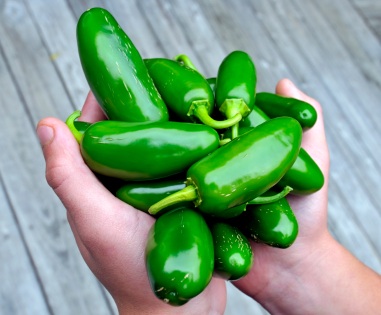
First stop was the local market where I grabbed a can of ‘green chilis’, which I took up to the produce guy and said, “Do you have these fresh?”  He did.  They were Serrano Peppers.

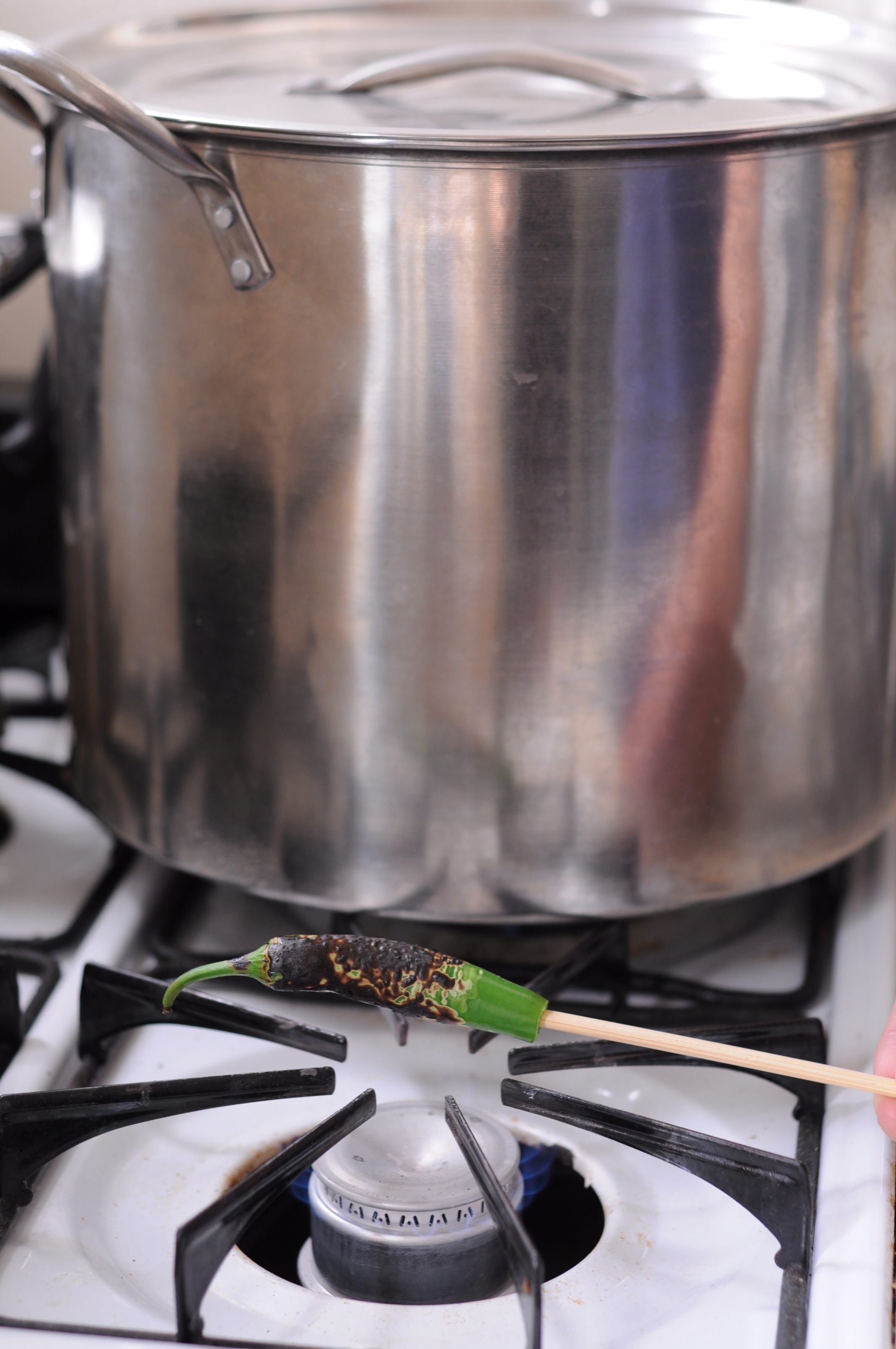
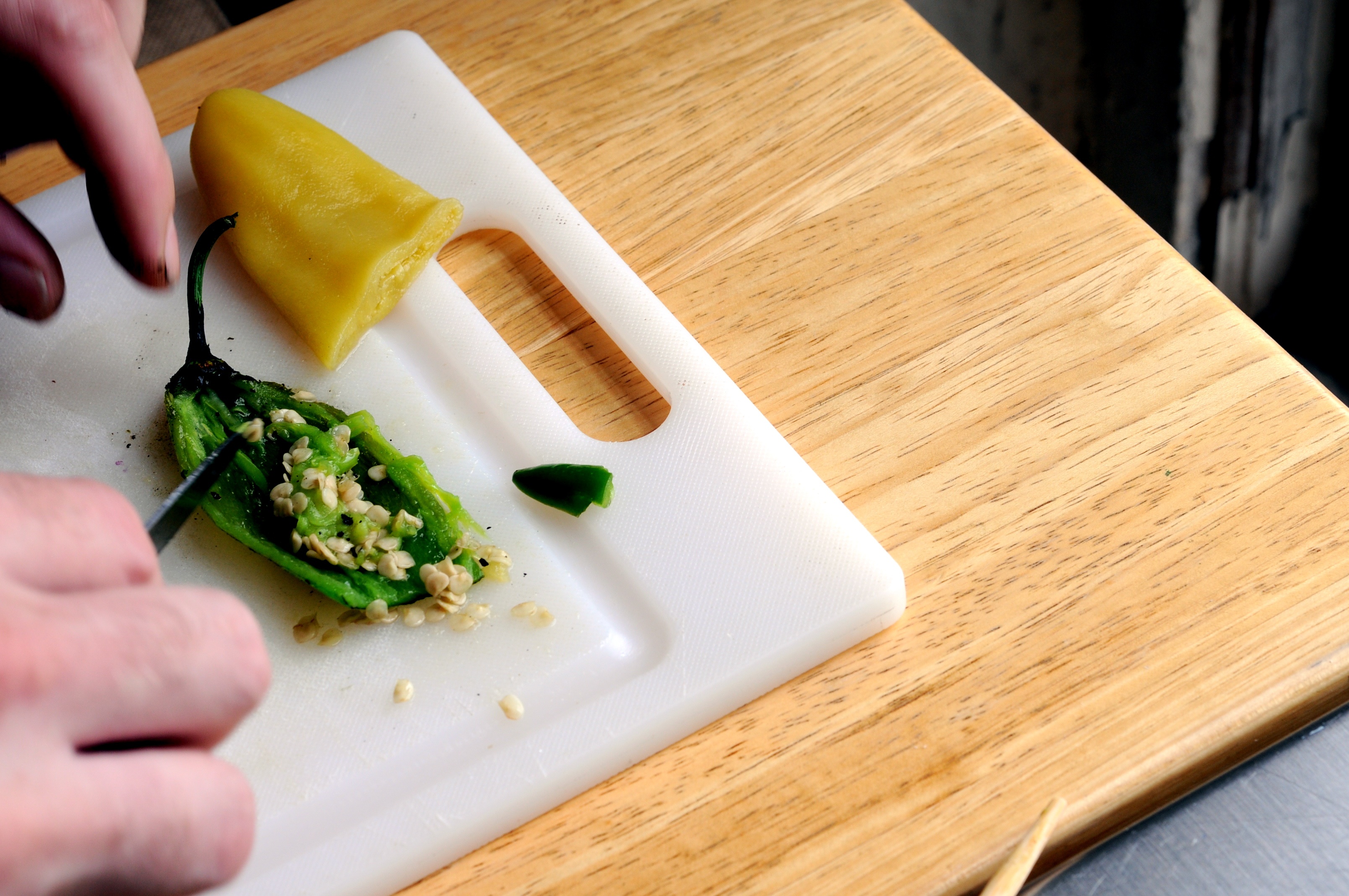
I took a chopstick, speared them down the center and roasted them over the tiny, stove-top burner of our mini Barbie kitchen.  After the skin was blackened, I sealed them in a Ziploc bag and let them steam.  The skins were then easy to remove, and I cut into the peppers and removed the seeds and ribs.

I put two of these spicy devils into a hop-sock for the final five minutes of the boil (along with the aroma hops) and we were off and running.

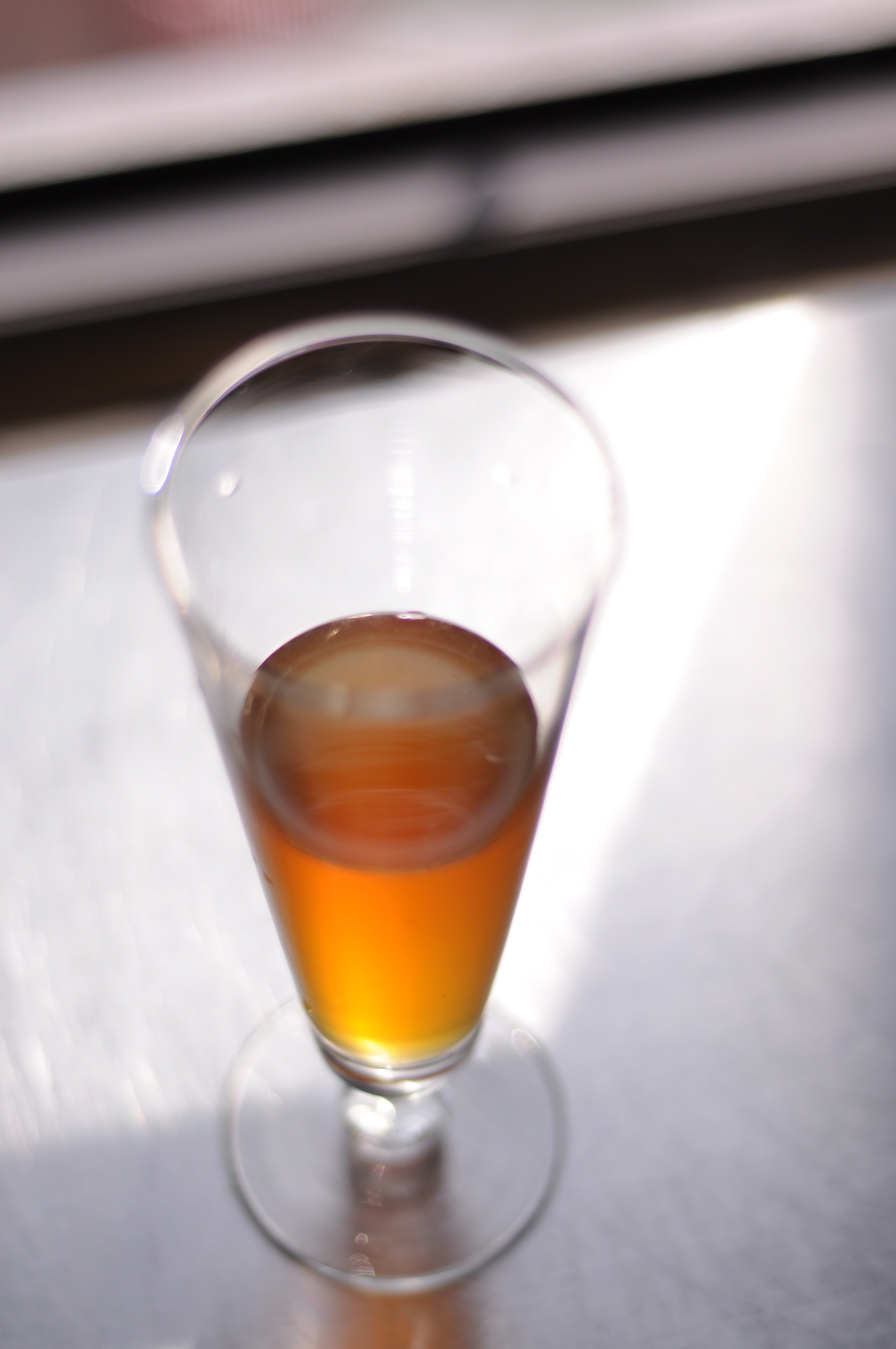
Fast forward three weeks.  We popped the top on our newbie baby’s bottle and nervously took a sniff.  Holy shit, I thought.  If this is as good as it smells, then this is gonna rock. And, ladies and gentlemen, it does.

The recipe:

  • 1/2 lb Belgian Pilsner Malt
  • 1/2 lb White Wheat
  • 1/2 lb Flaked Wheat
  • 1/2 lb Aromatic Malt
  • 4 lb Wheat Extract
  • 4 lb Extra Pale Extract
  • 2 oz Tradition Hops
  • 1 oz Hersbrucker Hops
  • 1/2 Crushed Paradise Seeds
  • 2 tbls. Fresh Lemon Zest
  • Belgian Style Saison Ale Yeast Blend 568

Along the way, we elicited suggestions for the beer’s name.  Here were our favorites:

  • Saison Verde
  • There is a Saison-Burn, Burn, Burn
  • Throaty Assfire
  • The Scoville Project
  • Summer Dragon
  • Vert Bacharach
  • Hot Lips
  • Summer Heat

But in the end, we decided to just call it:  The “Don’t Do It, Man” Green Chili Saison.

The first taste


Forgo the hearty breakfast and start your day with a cocktail before plowing the fields.

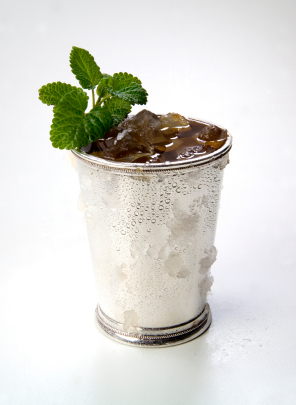
Who needs an injection of coffee when Bourbon and mint are on hand?  For some hardy southerners in the late 18th century, the Mint Julep was part of their morning ritual akin to shaving and pulling on the trousers.

John Davis, a British author, wrote about his journeys in a book called, Travels of Four Years and a Half in the United States of America which was published in 1803.  In it, is the first known documentation of the “Mint Julep,” which Mr Davis describes as “a dram of spirituous liquor that has mint steeped in it, taken by Virginians of a morning.”

Ahh, the early 19th century was such a gas…

Today, we associate the Mint Julep with something entirely different.  What is it?  Yep, you guessed it:  the Kentucky Derby.  First said to be served there in 1938, today it is estimated that more than 80,000 Mint Juleps are served at Churchill Downs in a two-day period.  That’s a lot of minty greenery clogging the trash cans…

To top it all off, and making it one of the most expensive cocktails in history, Churchill Downs sold special Mint Juleps in 2006 for $1,000 each.  They were served in gold-plated cups with silver straws, and were made from Woodford Reserve bourbon, mint imported from Ireland, ice from the Bavarian Alps, and sugar from Australia.  (Proceeds went to charities to support retired race horses).

In its early days, the “julep” was often a vehicle used to help the medicine go down (is this what Mary Poppins really meant?).  Before it’s primary liquor became cemented as Bourbon, people are said to have used Brandy, Rum, Wine or Genever (a Dutch gin) along with the mint.  A silver cup was also crucial as getting it nice and frosty adds to its thirst-quenching and palate-awakening potential.

PART & PARCEL

  • 2 to 3 oz Bourbon
  • 1 tsp sugar dissolved in 1 tsp water (or 2 tsp. simple syrup)
  • 8 to 10 fresh Mint leaves
  • Mint sprigs (for garnish)
  • Crushed ice

FILLING THE BILL

There’s much debate about the best way to make a Mint Julep (a factor that makes all classic cocktails beautifully fun to explore).  In this case, to muddle or not to muddle is usually the point of contention…so you be the judge by tasting.  If you are going to muddle, do it with respect for the mint and don’t pummel the hell out of it.  Simply bruise the leaf a bit and rub the leaf around the glass before adding the ice.

If you don’t have an ice crusher (how can you live with yourself?), place some cubes in a kitchen towel and have at ’em with a mallet or rolling pin.  Add the ice to the glass, then the sugar mixture/simple syrup and then the Bourbon.  Top with the mint leaves and serve with a small straw (to allow the nose to be close to enjoy the aromatics).

Thank God, a chance for me to finally whip out my silver glassware.  Look out, ye blood-suckin’ vamps.


Better than a stroll through Sag Harbor


Screw summering in the Hamptons.  I want to fly my personal jet to Piedmont.  

Instead of craning my neck to get a glimpse of the latest bimbo from the Real Housewives of New Jersey gallavanting by on horseback, I want to get lost in the vineyards, dine on Braised Rabbit and sip endless bottles of Barolo. 

Undisputedly one of the finest wines that Italy has to offer, the red wines of Barolo (yes, the wine and the region share a name) are the Rolls Royces of the wine world.  Sleek, powerful, complex and with a tannic structure built like a jet engine, these wines will blow your doors off. 

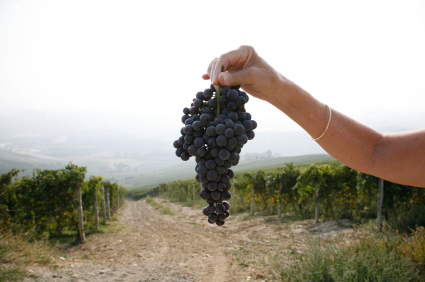
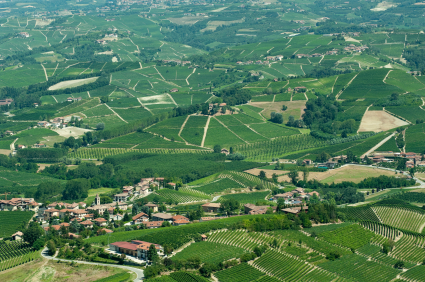
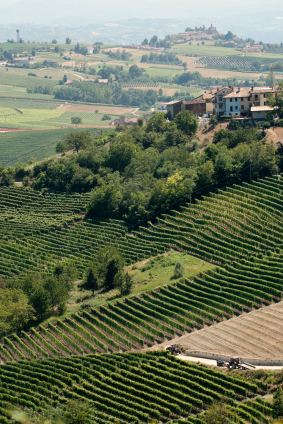
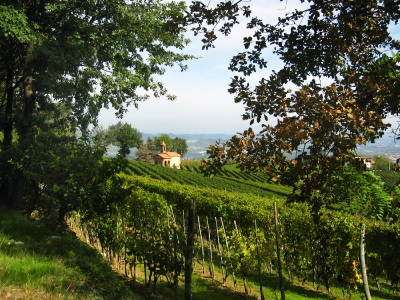
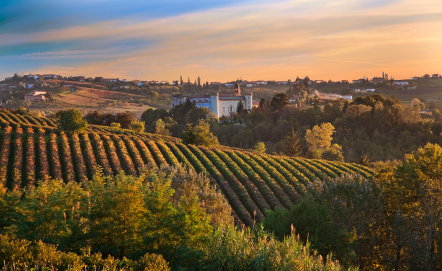
I’ve been reading Romancing the Vine:  Life, Love and Transformation in the Vineyards of Barolo over the last couple of weeks and have built a massive hunger to go there.  But since I can’t at the moment, I’ve put together some pics and facts to whet your whistle. 

  • Barolo is made from 100% Nebbiolo grapes and hails from the Piemonte region of Northern Italy.
  • Barolo is located two miles southwest of it’s other famous Piemonte neighbor, Barbaresco; although, the Barolo zone is cooler and located at higher elevations.
  • Barolo is nearly three times the size of Barbaresco, but still pretty small, with it’s widest point being only 5 miles wide. 
  • 87% of Barolo is produced in the original five communes:  Barolo,  La Morra, Castiglione Falletto, Serralunga d’ Alba and Monforte d’Alba.  Barolo and Castiglione Falletto are considered the “hearts of the region” and  most “classico” (although not an official designation).
  • To be labeled DOCG (highest quality wine designation), a Barolo must have at least 2 years aging in oak and at least 1 year in bottle before release.  To be labeled Barolo Riserva, 5 years of aging is required, with at least 3 years in oak.

And now, some pics: 


Let me know which vineyard you’d like to meet in; you bring the Cotechino Sausage and I’ll bring the wine.

Simplicity = Destruction

I had a roommate who loved car bombs.  Let’s call him “Patty”.

It started as something he would do at bars, but quickly became a habit he brought home.  Nearly every night of the week for months, Patty was shooting them off in our apartment.

He’d pour some Bailey’s in a shot glass, top with Jameson’s, drop it into a 1/2 pint of Guiness, slug it back and release a rebel yell.  I thought the whole thing was pretty strange, and yes, a little sad.  Didn’t he see that he was his own victim?

Well, Patty is not alone in his liquor/beer concocting, and the Irish Car Bomb is only one variation of perhaps the most famous beer cocktail in history.  Today’s classic cocktail is far from the swanky speakeasies of it’s other brethren.  Ladies and gentleman, I give you the Boilermaker.

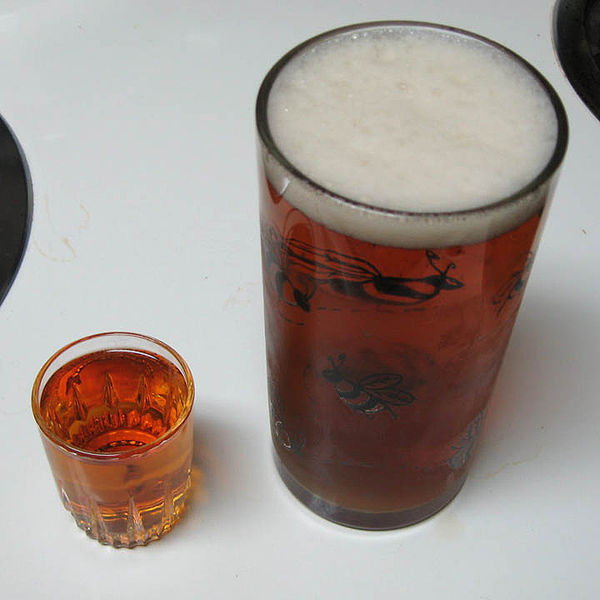
Exactly where and when this drink was first concocted, no one knows, but my guess is it predates all the other classic cocktails. Why? Well, quite simply, it doesn’t take a genius or a bar chef to put two and two together.  Beer = drunk.  Liquor shot = drunker.  Beer + liquor shot = drunkest.

The drink is rather simple in it’s creation and can be tricked out in a number of ways to suit the “shooter”.  Feeling a bit refined?  Well, then take the shot of booze, daintily wipe your chin and follow with a hefty swig of your beer.  Feeling randy?  Fill your pint glass halfway with your favorite beer, take the shot (glass and all), drop it into the glass to a resounding crash, shout your mama’s name and slam it back (just watch your two front teeth–they ain’t coming back to you on Christmas morning).

Or, if you’re feeling particularly unrefined, pop open your can of Schlitz, take a big slug, fill it with some of your favorite cheap booze (Early Times can never be beat in this situation) and down the whole concoction.  Glasses are just silly sometimes, aren’t they?

The Irish Car Bomb, I mentioned?  It’s rumored to have been created in 1979 by a bartender at Wilson’s Saloon in Norwich, CT on Saint Patrick’s Day.  He combined the Bailey’s and the Jameson’s into a shot and named it The Godfather.  But it wasn’t until two years later a friend of his dropped it into a pint of Guiness (no doubt, a drunken moment of inspiration).

But the Boilermaker is the original.  Be warned, it may be simple in it’s preparation but deadly in it’s institution.

PART & PARCEL

  • Pint of English Pale Ale
  • Shot of Bourbon or Rye Whiskey

FILLING THE BILL

Well, this part is pretty simple.  As you read above, your attack plan is up to you.  Basically, you need to get the ingredients down your gullet.  How you choose to, well that’s where the creativity comes from.

Luckily, Patty eventually kicked this bad habit of his.  But not before leaving a slew of chipped glasses and angry front teeth in his wake.

West Coast Gold

The Score (pic by Joe Flaherty)

This morning I awoke in Seattle to a foggy morning filled with expectations.  Mount Rainier was on our minds as my brother and I prepared for our camping excursion to get lost in her charms.

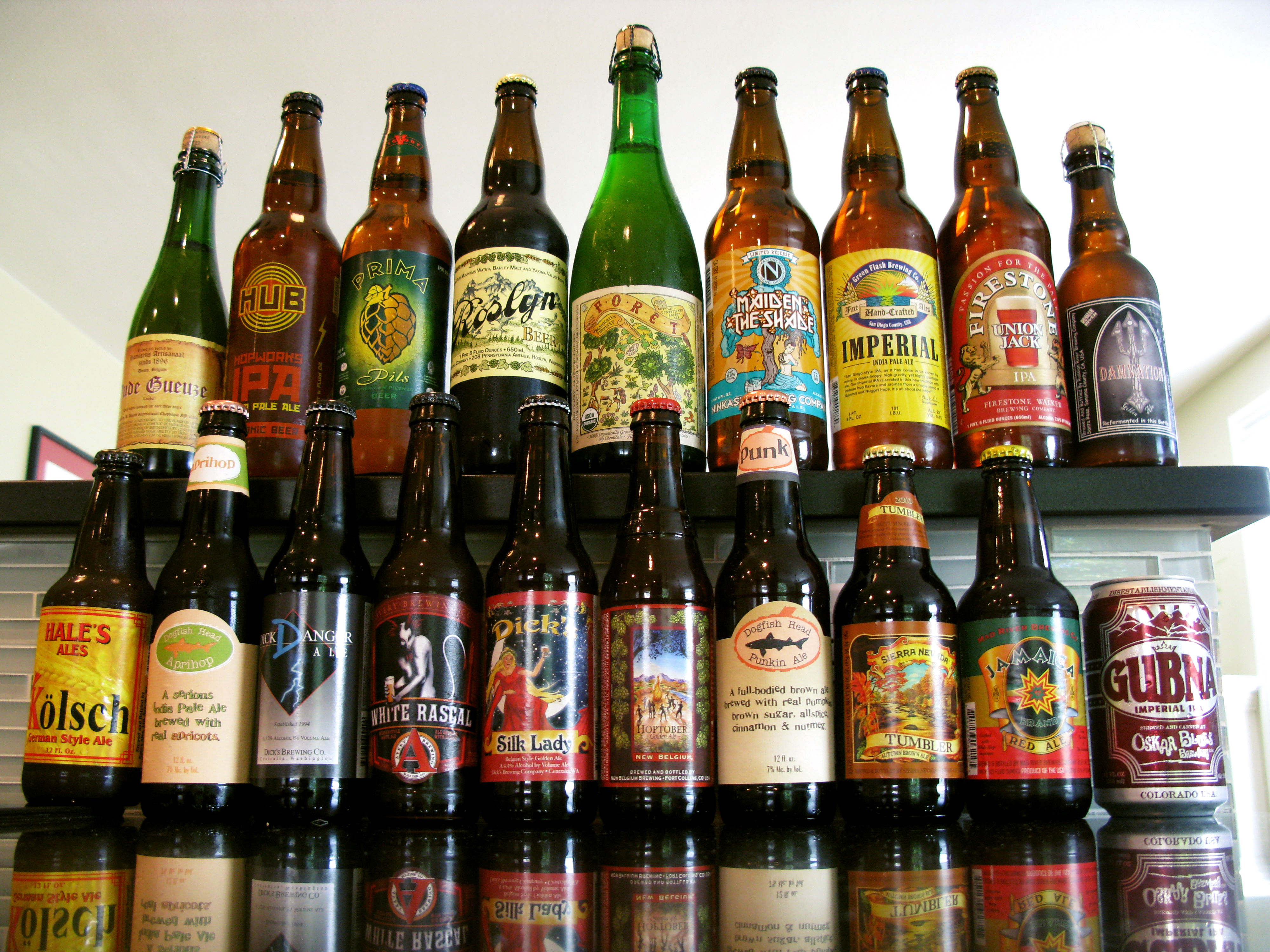
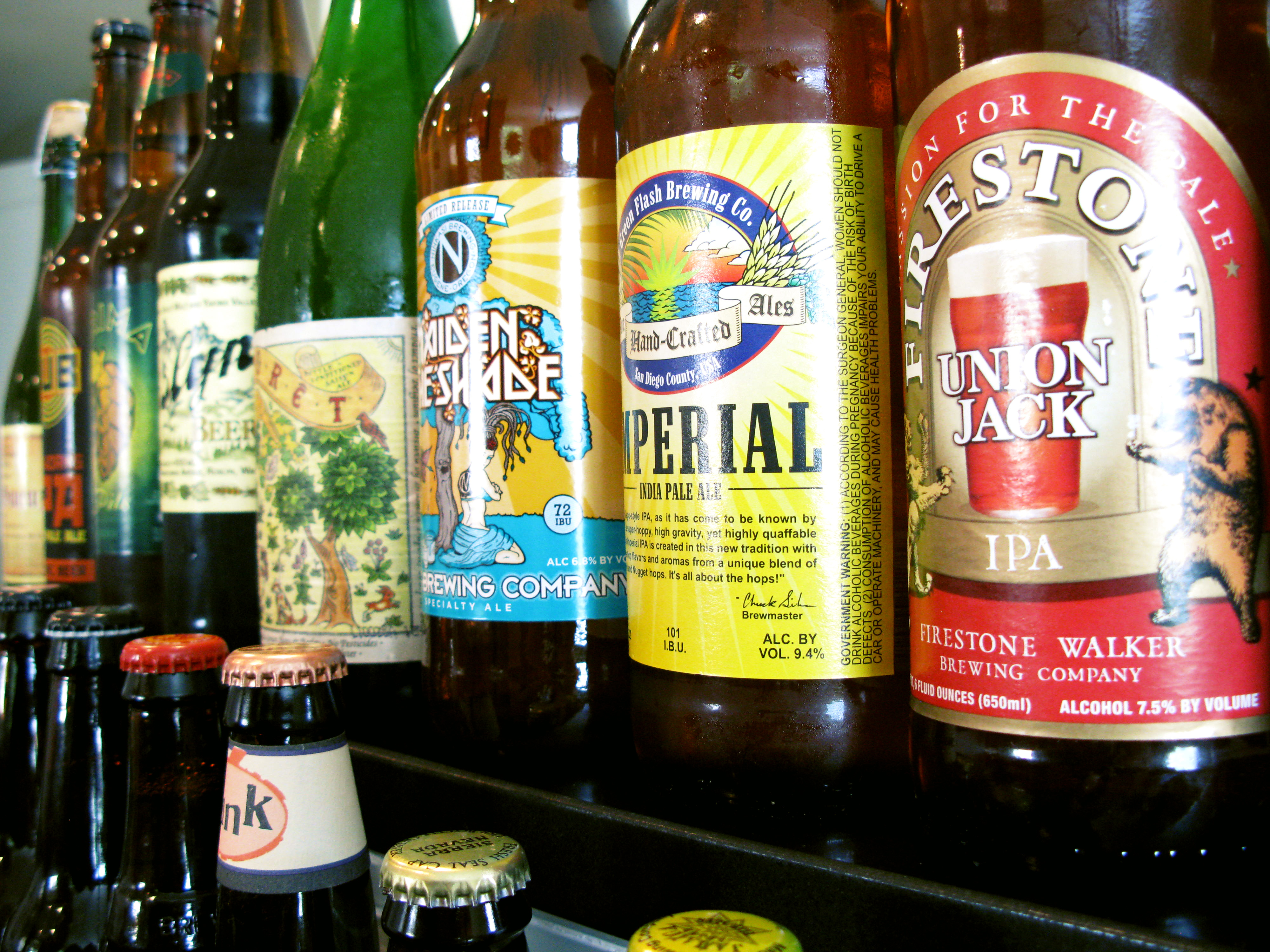
After a requisite trip to the REI castle here, we hit up Bottleworks, the local craft beer store where we unleashed the geek demons.  Led through the store by a trusty employee who embraced us like young lambs looking to get lost in West Coast craft beer, we spent nearly an hour scouring the fridges.

What we walked out with could, frankly, keep a platoon of soldiers content for many a night under the stars.  Check this list out and prepare to drool, craft beer lovers.  (That or you can meet us at the base of Mt Rainier; we’ll be the ones sitting by the fire and singing Irish drinking songs…)

The Great West Coast Beer Stash

  • Firestone Walker, Union Jack IPA, CA (7.5%) – 650 ml
  • Ninkasi, Maiden the Shade, OR (6.8%) – 650 ml
  • Roslyn, Roslyn Beer (Munich Dunkel), WA (?) – 650 ml
  • Green Flash, Imperial IPA, CA (9.4%) – 650 ml
  • Hopworks, IPA, OR (6.6%) – 650 ml
  • Russian River, Damnation Golden Ale, CA (7.75%) – 375 ml
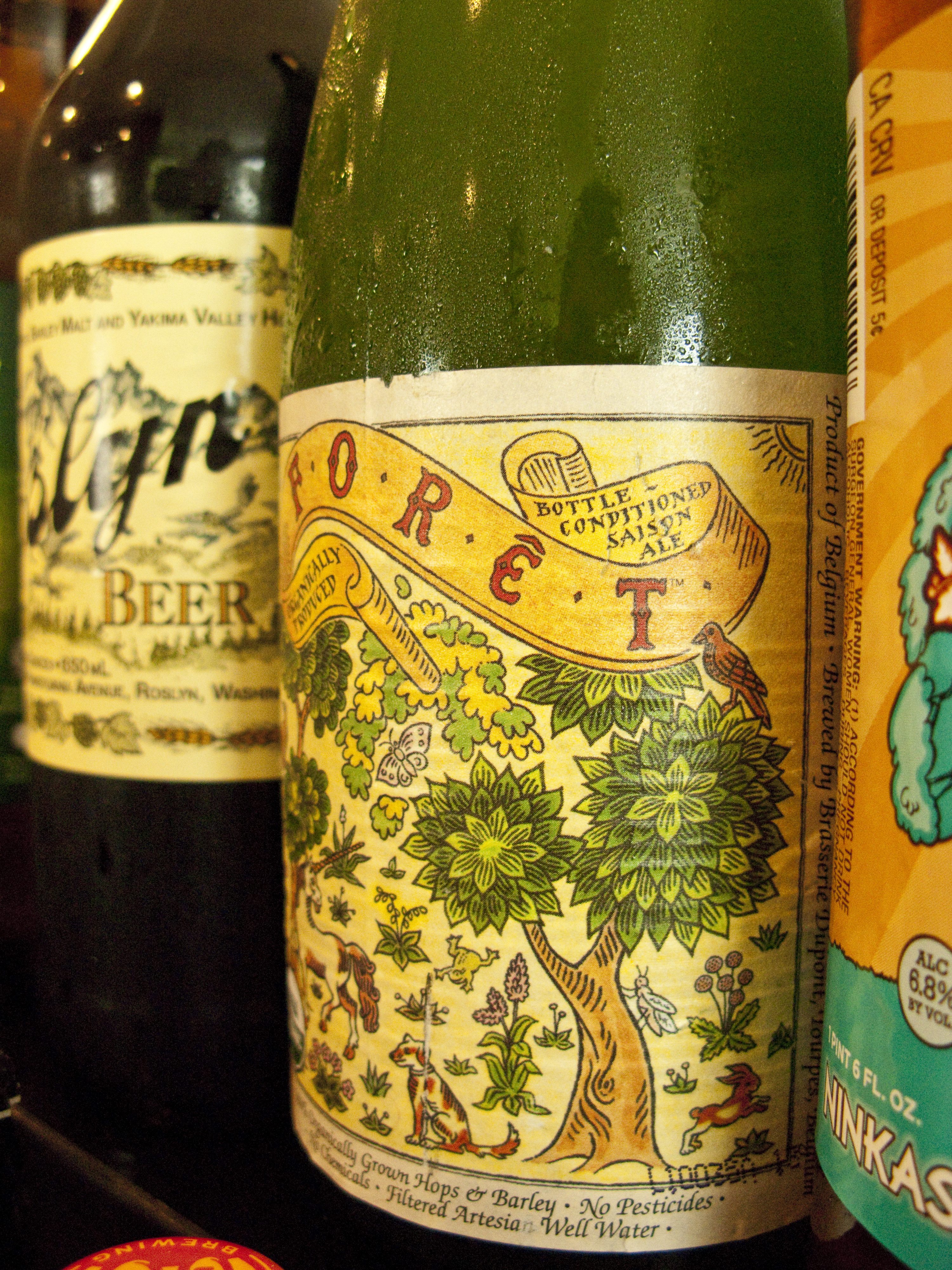
  • Brasserie Dupont, Foret Organic Saison, Belgium (7.5%) – 750 ml
  • Hale’s Ales, Kolsch, WA (4.5%) – 12 oz
  • Dick’s, Dick’s Danger Ale, WA (5.2%) – 12 oz
  • Dick’s, Silk Lady Belgian Style Golden Ale, WA (4.4 %) – 12 oz
  • Oskar Blues, Gubna Imperial IPA, CO (10%) – 12 oz
  • Avery, White Rascal White Ale, CO (5.6%) – 12 oz
  • Victory, Prima Pils, PA (5.3%) – 650 ml
  • Dogfish Head, Aprihop IPA, DE (7%) – 12 oz
  • Dogfish Head, Punkin Ale, DE (7%) – 12 oz
  • Mad River, Jamaica Red Ale, CA (6.5%) – 12 oz
  • Sierra Nevada, Tumbler Autumn Brown Ale, CA (5.5%) – 12 oz
  • New Belgium, Hoptober Golden Ale, CO (6%) – 12 oz
  • Hanssens Artisanaal, Oude Gueuze, Belgium (6%) – 375 ml

——–

(pic by Joe Flaherty)

(pic by Joe Flaherty)

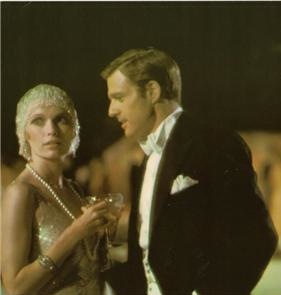
“Daisy had a hint of bedrooms upstairs more beautiful and cool than other bedrooms…of romances that were not musty and laid away already in lavender….It excited him, too, that many men had already loved Daisy – it increased her value in his eyes.” – F. Scott Fitzgerald, The Great Gatsby

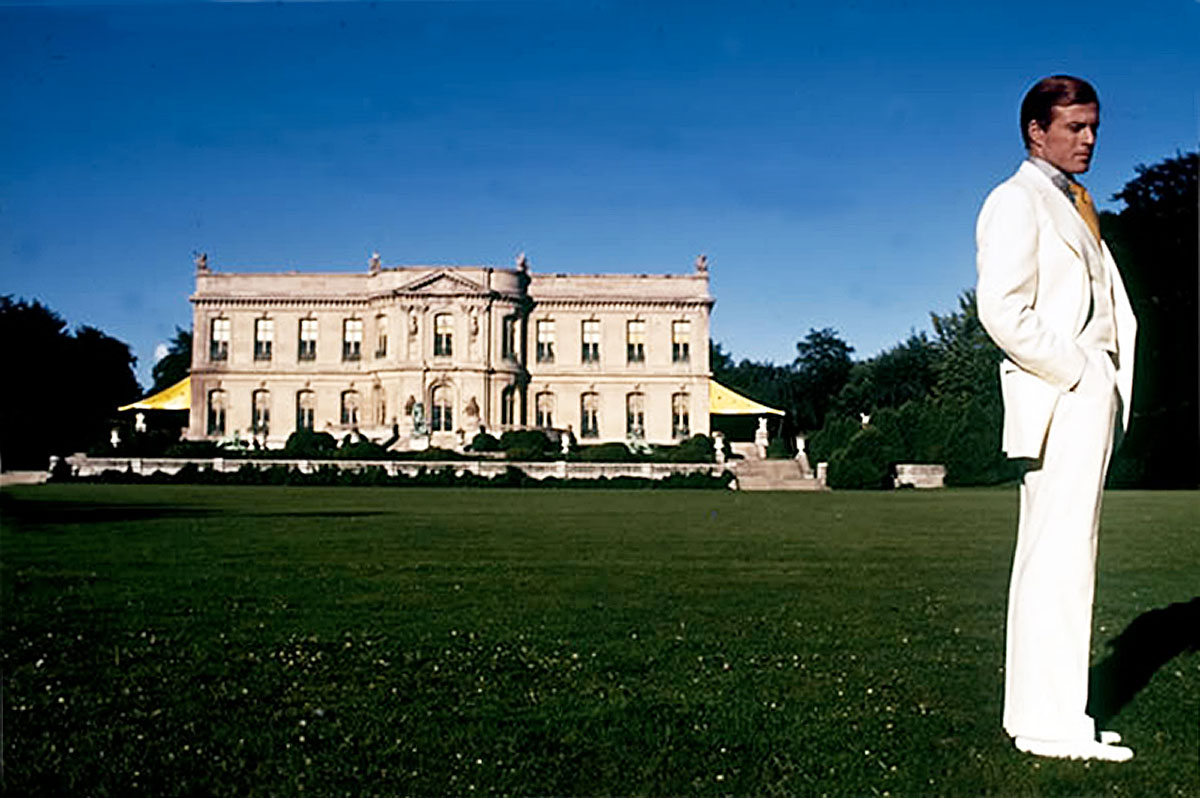
I’ve read The Great Gatsby many times over the years.  It remains one of my favorite books.  The style of the writing, the time period, the heartbreaking blindness of Jay Gatsby and his foolish quest to win Daisy.

The more I’ve read it, the more I care less and less about Daisy.  For she is not so much a character as what Gatsby thinks she is.  She is a blank palate upon which he places his dreams.  He sees himself in her eyes.  And if he can impress her, he can love himself.  It’s tragic, but we’ve all been there.  This week’s classic cocktail is for you, Jay.

The Daisy is not so much a cocktail as a ‘family’ of cocktails.  It is a basic formula that the bartender can paint upon, can tweak into a new image, can look back upon and see himself in.

First created sometime in the 1800’s, the Daisy was a spin-off of the Sour (spirit, citrus, sweetener), originally using orange cordial as the sweetener.  But that didn’t last long, and the Daisy was swept up by another’s imagination, and by the 1900’s, Grenadine became the sweetening agent of choice.

Grenadine is a unique sweetener and can be made by simmering pomegranate juice for fifteen minutes and adding superfine sugar.  It gives drinks a reddish hue and is similar in flavor to blackcurrants.  To finish off the Daisy, one must add a splash of soda or seltzer because she can be a rich one and can do with a bit of fizz.

Here is a classic recipe taken from Imbibe Magazine:

PART & PARCEL

  • 2 oz. base Spirit (gin, rum, brandy, whiskey, vodka or tequila)
  • 1 oz. fresh Lemon Juice
  • 1 tsp. Grenadine
  • 1/2 tsp. Simple Syrup
  • Ice (cubes and cracked)
  • Chilled Seltzer or Club Soda

FILLING THE BILL

Fill your shaker with ice and add the spirit, the juices and the syrups.  Shake with confidence like Jay looking out over his mini empire.  Strain into a Julip glass filled with shaved ice and top with soda.  Add a fresh piece of fruit for garnish.

“There must have been moments even that afternoon when Daisy tumbled short of his dreams – not through her own fault but because of the colossal vitality of his illusion. It had gone beyond her, beyond everything. He had thrown himself into it with a creative passion”. – F. Scott Fitzgerald, The Great Gatsby

Ah Jay, you’re breaking my heart.  I’d say have another drink, but I don’t think it’ll help…

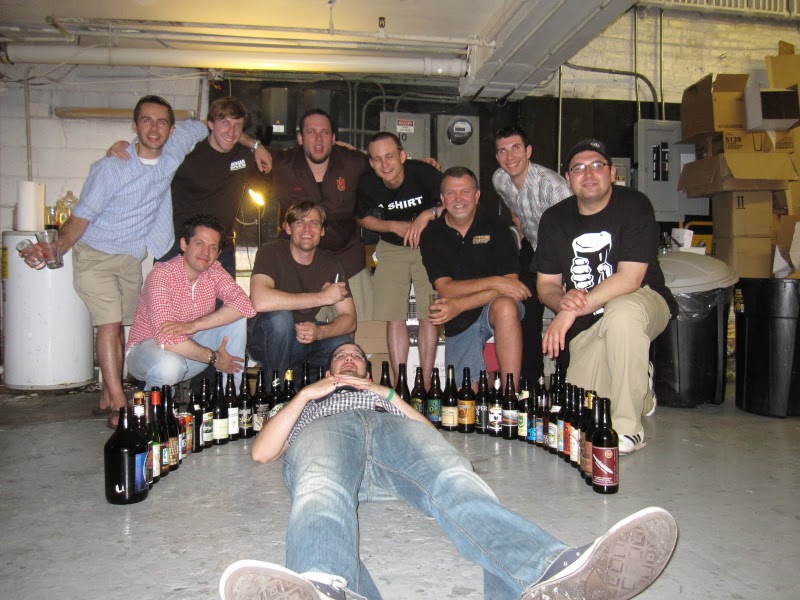
BrewYork #4. Back Row (from l to r): Andy Zenyuch, John Kleinchester, Matt Steinberg, Greg Gallagher, Andrew Maiorana. Front Row: Lee Williams, David Flaherty, Paul Kavulak (Nebraska Brewing Co), Craig Sklar, Adam Sivits (on floor)

“Epic”: very imposing or impressive; surpassing the ordinary (especially in size or scale); “an epic voyage”; “of heroic proportions”

This past Friday night, we embarked on an epic voyage.  Like brave conquistadors in search of the riches of the world, our ragtag faction of BrewYorker’s (a group of NY-based homebrewers, probrewers, beer bloggers and all-around geeks of the grain) summoned the beer gods with a diverse offering of liquid bounty.

The fast-becoming-legendary monthly gathering is quite simple in design: each person brings two selections of rare or sought-after specialty beers.  Whether you traded them with beer geeks across the country, pulled them from the top shelf of the beer store or stole them from Uncle Jimmy’s Craft Beer Bunker (“don’t fuck with my brew stash for fear of dismemberment” it says on the door), it’s the time to dig deep.

The reward?  An educational, boozy journey through the darkest, most creative corners of the craft beer world.  It’s a beautifully diverse group of people knitted together with passion, and this month’s bottle list reflects it.

See below for the final list on our Friday night stage.  My personal favorites are in bold and with links to take you to websites for more info.

THE EPIC BREWYORK #5 BOTTLE LIST

  1. Surly – Hell Keller Bier/Zwickel Bier
  2. Half Acre/Three Floyds – Shewolf IPA
  3. Odell – Mountain Standard Reserve ’09 Deep Mahogany Ale
  4. Mikkeller – Funky Star Belgian Strong Pale Ale
  5. Dogfish Head – My Antonia
  6. Sierra Nevada – Fritz & Ken Stout
  7. Sierra Nevada – Charlie, Fred & Ken Helles Bock
  8. Sierra Nevada – Jack & Ken Barleywine
  9. Cigar City – Jai Alai’ IPA
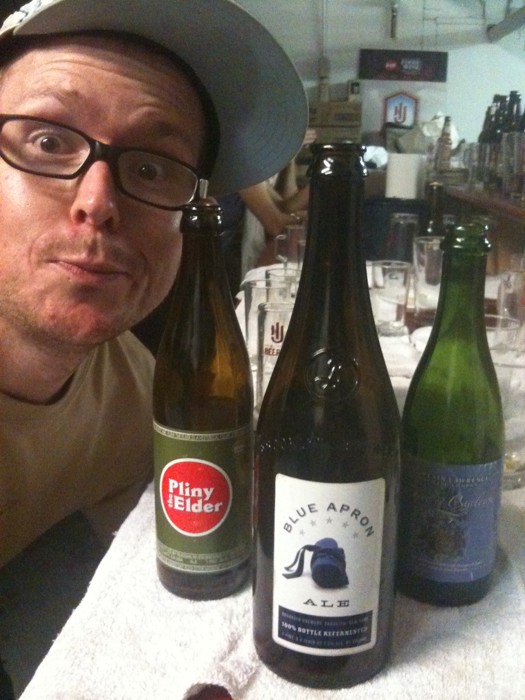
  10. Russian River – Pliny The Elder Double IPA
  11. Russian River – Damnation
  12. Great Divide – Wild Raspberry Ale
  13. Dark Horse – Smoked Stout
  14. Capt. Lawrence – Smoke from the Oak (wine barrels)
  15. New Belgium – Lips of Faith Le Fleur Misseur
  16. Alesmith – Old Numbskull Barleywine
  17. Great Divide – 16th Anniversary Oak Aged Double IPA
  18. Mike/Simply Beer – Matrimoniale ESB Wedding Beer
  19. Mike/Simply Beer – Double Matrimoniale
  20. Mike/Simply Beer – Bourbon Barrel Aged Double Matrimoniale
  21. Lost Abbey – Carnevale  Saison
  22. Cigar City – 110K+OT
  23. Cigar City – “Humidor Series” 110K+OT
  24. Captain Lawrence – Cuvee de Castleton–Batch #3
  25. Captain Lawrence – Cuvee de Castleton–Batch #4
  26. Hoppin’ Frog – B.O.R.I.S The Crusher Oatmeal Imperial Stout
  27. Hoppin’ Frog – B.O.R.I.S The Crusher Oatmeal Imperial Stout–Barrel Aged
  28. Urthel – Hop-It Belgian IPA
  29. Brooklyn – Blue Apron Ex-French Laundry Beer
  30. Goose Island – Bourbon County Stout 2010
  31. Panil – Barriquee 2007
  32. Goose Island – Bourbon County Coffee Stout
  33. Dogfish/Sierra – Life & Limb
  34. Great Divide – 16th Anniversary Wood-Aged Double IPA
  35. Dogfish Head – Sah’tea
  36. Dogfish Head – Black & Blue
  37. Stone – 14 Emperial IPA (14th Anniversary)
  38. The Bruery – Oude Tart
  39. Southern Tier – Cuvee Series Two
  40. New Glarus – Wisconsin Belgian Red
  41. Great Divide – Yeti
  42. Long Trail – Brewmaster Series Coffee Stout
  43. Ommegang – Ommegeddon
  44. Captain Lawrence – Golden Delicious
  45. Three Floyds – Dark Lord 2009

Kenny Sherr and Friends (photo by Katie DeGraff)

1920-1933.  Prohibition sucked the nightlife out of the scene like one does an oyster from a shell.

But the party raged on…albeit behind secret doors and fueled by often dangerous concoctions of bathtub gins and white lightning.  And so, many American simply crossed the border to Havana, Cuba where the party heated up in broad daylight.

In fact, they came to Cuba in droves by plane and boat, all headed for the sunny climes where the booze flowed freely and one could enjoy a cold cocktail without looking over their shoulder for the boys in blue.

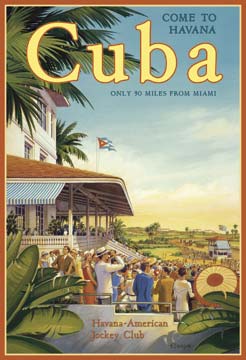
And what to do if your profession was as a bartender when the dry spell hit?  Well, you could always go South, sir.  To Cuba!  A mere 90 miles from Florida, many barkeeps packed their bag and headed to the Pearl of the Antilles.

It is there, according to Dave Wondrich, that an American bartender named Eddie Woelke who was working at the Jockey Club in Havana created this week’s classic cocktail: the El Presidente.

Supposedly created in honor of the Cuban president at the time, Gerardo Machado, Eddie was a smart one.  It’s always best to honor and thank your host…especially if that host has dictatorial tendencies.  But I digress, this is about cocktails, damnit, not politics.

Using a seemingly simple blend of four ingredients, the El Presidente was a hit and quickly swept its way through the hundreds of bars and nightclubs slinging endless drinks for the insatiable hordes of thirsty Americans.

Popular with the elite and named the “martini of Cuba” by Trader Vic, himself, the drink has nearly disappeared.  It features Rum (of course, it’s Cuba, for God’s sake) and is mixed with Curaçao, Dry Vermouth and Grenadine.

PART & PARCEL

  • 1.5 oz Rum
  • 3/4 oz Curaçao
  • 3/4 oz Dry Vermouth
  • 1/2 Tsp Grenadine

FILLING THE BILL

Add ice to a tall mixing glass and add the above ingredients.  Get out your trusty bar spoon and stir until cold to the touch.  Strain into a chilled martini glass and garnish with a twist of orange peel.

Everyone loves a good dictator…or at least on the surface.  You never know how many people are sneaking out the back door and headed out to the real party.  Viva la Cuba.

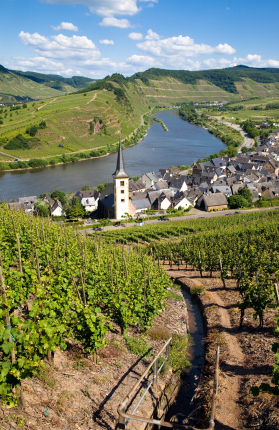
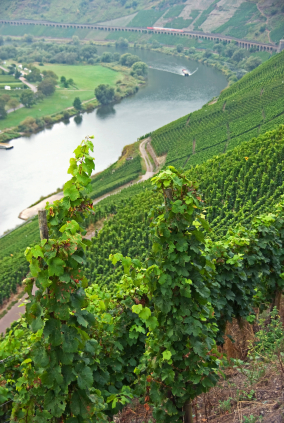
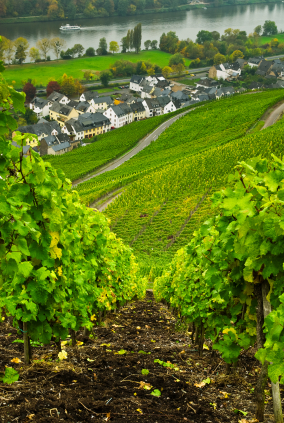
Home to the longest, uninterrupted stretch of quality vineyards in Europe, the Mosel River is home to Rieslings on such a level of spectacularness that I often place a bib on myself to prevent the drool from soiling my shirt.

The Mosel flows for 150 miles through Germany and, along most of it’s length, is home to sheer cliffs and sweepingly grandiose steep vineyards that house ancient vines which cling for dear life and fight for every last ray of sunshine.

But don’t let my ceaseless drivel do the convincing, because I’ll shut up and let the pictures below speak for themselves.

This is God’s Country, my friends, and the land at the end of the rainbow for any wine lover.

Just dump me at the bend of the river with a glass and a hunk of bread.  I’ll be fine for weeks.  Teetering on the edge of the world and living on sheer acidity.

Dearest readers, I am stoked to share some exciting news with you.  In addition to my vinous, brewish and libatious duties here at Grapes & Grains, I am pleased to announce that I will be expanding my reach further into the realm of the blogosphere…

I have been invited to join the staff of the New York Cork Report as their “NYC Correspondent”.  I will be covering local breweries, urban wineries and NY-state spirits.  

Also, my usual forays into underground gambling rings, heroin trafficking, cock fighting and muscle-car drag racing will, of course, continue.  Hey, a guy’s got to follow his passions, right?  Right?!  Who’s with me?  All hail the V8 engine, suckas!

If you’re not yet familiar with Lenn Thompson and the crew over at New York Cork Report, you need to get them on your radar screen.  For the last two years, they’ve taken home the gold at the American Blog Awards for “Best Single-Subject Wine Blog” because of their solid dedication.  

Their writing and reviews are tight, their editorial content is opinionated and challenging, but most of all, they are passionate about showcasing the unique people and products that the great Empire State has to offer.  I’m stoked and honored to be part of the team.  

And thankfully, I can keep up my cockfighting on the side.  I’ve been training this new bird that’s sure to win me a ton of Hamiltons…

Some links to check out:

New York Cork Report Home Page
Staff of the New York Cork Report
David Flaherty Joins NYCR as NYC Correspondent
NYCR Named “Best Single-Subject Wine Blog” at American Wine Blog Awards

Ramos Gin Fizz at Tujague's (Photo by David Grunfeld / The Times-Picayune)

The sight must have been incredible.

A whir of flashing metal cocktail shakers streaked the bar from end to end as the crowd crushed in around you.

There they stood.  Thirty-five “shaker boys” all earnestly focusing as their arms screamed from the pain of ceaseless shaking.

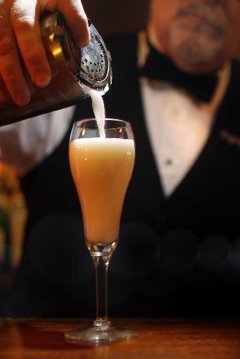
It is said that to properly make a Ramos Gin Fizz, you must shake vigourously for two to twelve minutes.  And I mean shake like your life depended on it.  But, oh the results…because how sweet the outcome.

A now famous name in the cocktail world, Henry Charles Ramos had run a string of cocktail joints in Baton Rouge and Birmingham, plying and developing his trade with a studied eye and a keen sense of style.  Upon hitting the streets of New Orleans in the late 1870’s, he was ready for the big time in the Crescent City.

After opening a bar called the Imperial Cabinet Saloon, he would soon shoot to acclaim, being “recognized as the most famous mixologist of the South” (a mention in the 1895 New Orleans Times-Democrat).

But he may have drifted into obscurity if it were not for his contribution of one of the greatest (and most physically demanding cocktails) ever created.  First unveiled in a frothy cloak in 1880, his New Orleans Fizz (as it was first called) was an instant hit at the Imperial.  By 1919, and after moving to new digs at The Stag, Henry C. Ramos and his Ramos Gin Fizz were legends.

During festivals, the bar was crushed with onlookers and patrons eager to get a taste of greatness.  It is at that time that Henry is said to have employed up to 35 “shaker boys” whose sole job was to shake till blue in the face.  What a sight it must have been.

This drink is truly a beast.  A near ridiculous amount of ingredients and a physical demand sure to make you curse Henry’s name…that is until you fall under it’s silky spell.

Some say to use a blender while others would stone you for even suggesting the thought…

PART & PARCEL

  • 2 ounces Gin
  • 1 ounce Cream
  • 1 Egg White
  • 1/2 ounce Lemon juice
  • 1/2 ounce Lime juice
  • 2 teaspoons Sugar, to taste
  • 2-3 drops Orange Flower Water
  • Seltzer

FILLING THE BILL

Combine all the ingredients (minus the seltzer) into a cocktail shaker, add ice and shake for 1-2 minutes or until you pass out.  Pour into a chilled Collins glass and top with one to two ounces of Seltzer.

This is the traditional way, but over the more than a century of it’s existence, people have employed a number of cheats.  While I mentioned that blenders are frowned upon, you can try that approach (just go easy on the ice as to not water the drink down too much).  Or use an egg-whisk or milk-frother on the mixture till frothy and then add the ice and continue shaking.

Or you could always hire your own “shaker boy” and save yourself the effort.  I hear they are going for cheap on the Bowery these days.


July 21-25, 2010

The streets of the French Quarter were given a full shake and an Absinthe rinse for the 5-day fiesta that was the 8th Annual Tales of the Cocktail.

Bartenders, barbacks, barmaids, bar wenches and bar geeks invaded New Orleans once again this year for what has become the premier yearly gathering for spirit hounds.

Just to give you a sense of what hosting thousands of fans celebrating at the sacred altar of the cocktail entails, they tallied a brief summary from 2009:

13,884 mint leaves · 14,000 lemons · 11,250 limes · 192 pounds of sugar · 1,824 Driscoll’s Blackberries and Driscoll’s Blueberries · 74 Gallons Lime Juice · 82 Gallons Lemon Juice · 45 Gallons Grapefruit Juice · 21 Gallons Pineapple Juice · 25 Gallons Tomato Juice · 75 Gallons Simple Syrup · 950 Luxardo cherries · 450 cucumber wheels · 10 Gallons Rich Simple Syrup · 5 Gallons Honey Syrup · 3100 Driscoll’s Raspberries · 1400 Tropicana Orange twists · 1200 Lemon Twists · 1250 Lime Wheels · 940 Lemon Wheels · 400 Lemon Wedges · 430 Lime Wedges · 350 Stalks of Celery

Yeah, this list pretty much speaks for itself…it’s an onslaught of hedonistic fun, a celebration of the bartender as true artisan and a chance to honor those who are forerunners in the field.

With that in mind, for the fourth year running, a lavish dinner called the Spirited Awards was held on July 24th at the Roosevelt Hotel where the industry’s leading lights were saluted.  Sponsored by Pernod Ricard USA and voted on by a panel of thirty top professionals, fifteen awards were given out.

Here were this year’s winners (click on links for more info):

World’s Best Drink Selection
Bar Lebensstern in Cafe Einstein, Berlin

Best American Cocktail Bar
Death & Co., New York City

World’s Best Cocktail Bar
Death & Co., New York City

World’s Best New Cocktail Bar
Mayahuel, New York City

World’s Best Hotel Bar
The Connaught Bar, The Connaught Hotel, London

American Bartender of the Year
Murray Stenson (Zig Zag Cafe)

International Bartender of the Year
Agostino Perrone (Connaught Bar)

Best New Cocktail/Bartending Book
Vintage Spirits and Forgotten Cocktails by Ted Haigh

Best Cocktail Writing
CLASS magazine

Best New Product
Celery Bitters, The Bitter Truth

World’s Best Cocktail Menu
Death & Co., New York City

Best Bar Mentor
Dale DeGroff

Best American Brand Ambassador
Charlotte Voisey, William Grant & Sons Portfolio

Best International Brand Ambassador
John Gakuru, Sagatiba

Helen David Lifetime Achievement Award
Brian Rea

Congrats to the winners and to the organizers of this behemoth event.  I’m particularly stoked to see that with the growing success of the event that New Orleans rides high on it’s coattails.  Last year alone, the event brought in $9.7 million to the city (click here for the economic impact).

Stir it, shake it, sip it, slam it down, and then sit back and rest for a year…Tales will ride again soon…

“Miner’s lady, stranger to blue water.  Dark and dusty, painted on the sky.  Misty taste of moonshine, teardrops in my eye.

Country roads, take me home.  To the place where I belong.” -John Denver

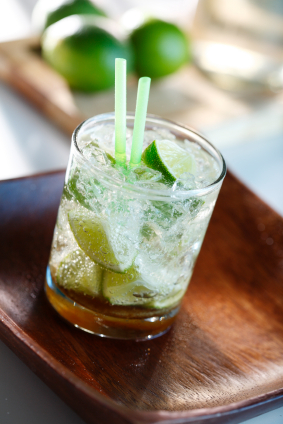
Every country has it’s hillbillies.  Its backwaters where the yokels live by their own rules.  For Brazil, these people are called “Caipirinha“, but where and how this name became synonymous with the national cocktail of Brazil is anyone’s guess.

But the national cocktail it is, and from the coast of Sao Paulo to the banks of the Amazon, the Caipirnha rages in popularity with the elite and the yokels alike.

Based on the classic “sour cocktail” formula (base spirit, lemon or lime juice and a sweetening agent), the soul of the Caipirinha comes from Cachaça, a liquor made from fermented sugarcane.  By far the most popular distilled alcohol in Brazil, in 2007, a whopping 1.5 billion liters (390 million gallons) were consumed.

That’s a lot of “firewater,” by God, as its other name, aguardiente, translates to.  So what is it exactly?

Cachaça has been made for more than 500 years and is the product of the distillation of fermented sugarcane juice.  “Well, that’s rum!,” you say.  Close, but not exactly.  The majority of rums are made from the molasses of the sugarcane, which is a byproduct of sugar production.

Some rums, however, especially those from the French West Indies (like Martinique) are made from the juice of sugarcane and are called Rhum Agricole.  Cachaça is closest to these and comes in two forms: white (unaged) and gold (aged in barrels).  The Caipirnha calls for white Cachaça which is usually in the alcoholic strength range of 38% to 54% by volume.

Now enough nerd talk, let’s get to the drinking.

PART & PARCEL

  • 2 oz Cachaça
  • 2 Small Limes or 4 Key Limes
  • 2 Tsp Granulated Sugar

(The amount of sugar can vary based on your own personal taste.  Start small, you can always add another spoonful to help the medicine go down)

FILLING THE BILL

First step is to remove the seeds from your limes, then quarter them (or just halve them if using Key Limes) and pop them in a mixing glass.  Add the sugar and muddle them together, taking care to mix them well without breaking the skins of the limes.  When all the juice is gone from the limes, you can stop.  Add ice, your favorite Cachaça and shake for fifteen seconds.  Pour into an Old Fashioned glass and garnish with a lime.

Embrace your inner hillbillies, people.  The backwoods of America certainly fueled us with moonshine during the lean years and is continuing to be perfected to this day.  Who knows?  Maybe in 500 years, the national drink of the US will be the “Billy Bob”.  A man can dream.

This ones for you, John Denver.


« Newer Posts - Older Posts »