Pliny the Elder fan climbs Mt. Everest on beer alone

It’s that time of year again.

The time when the die-hard homebrewers sit back with a cold pint, reminisce over their favorite beers and put pen to paper for a legendary vote of epic proportions.

Bragging rights will be forever held, children will defend the honor of their brewmaster dads in schoolyards around the world and breweries will be invaded by topless groupies looking for autographs from the legends, themselves.

For the past 8 years, Zymurgy magazine has asked homebrewers to vote on their top 20 commercially available beers available in the US.

As I wrote in my post of this ranking last year, if you have any doubt who is best to judge today’s commercial beers other than the homebrewers who tinker away in basements and garages across the country, think again.  We are maniacal in our passion, attuned to the finest nuance of barley and capable of smashing bottles with a mere stare.

This year saw Pliny the Elder from Russian River Brewing eke out the top spot (by only two votes!) over Bell’s Two-Hearted Ale for the second year in a row.  The big news?  Rahr & Sons Brewing Company.  After not appearing on the top 50 list last year, they placed a whopping 12 beers on this year’s list.

Ladies and gentlemen, with no further adieu, I give you the 2010 Zymurgy Best Beers in America:

Top 50 Beers

1. Russian River Pliny the Elder
2. Bell’s Two Hearted Ale
3. Stone Arrogant Bastard
4. Dogfish Head 90 Minute IPA
5. Sierra Nevada Pale Ale
6. Stone IPA
7. (Tie)

  • Bear Republic Racer 5
  • Guinness
  • Sierra Nevada Bigfoot Barleywine
  • Sierra Nevada Celebration

11. Stone Ruination
12. (Tie)

  • North Coast Old Rasputin
  • Sierra Nevada Torpedo
  • Rahr Winter Warmer
  • Rahr Ugly Pug
  • Rahr Iron Thistle

17. (Tie)

  • Oskar Blues Ten Fidy
  • New Glarus Belgian Red
  • Dogfish Head 60 Minute IPA
  • Duvel

21. (Tie)

  • Lagunitas IPA
  • Samuel Adams Boston Lager
  • Rahr Storm Cloud
  • Saison Dupont

25. (Tie)

  • Founders Kentucky Breakfast Stout
  • Rahr Bucking Bock
  • Ommegang Three Philosophers

28. (Tie)

  • New Belgium Fat Tire
  • Alaskan Smoked Porter
  • Anchor Steam

31. (Tie)

  • Ayinger Celebrator Doppelbock
  • Dogfish Head Palo Santo Marron
  • Rahr Summer
  • Rahr Red
  • Rahr Blind Salamander
  • Rahr Blonde
  • Rahr Octoberfest
  • Victory Prima Pils
  • New Belgium La Folie
  • Russian River Consecration

41. (Tie)

  • Oskar Blues Dale’s Pale Ale
  • Rahr Buffalo Butt
  • New Belgium 1554
  • Orval
  • Lagunitas Hop Stoopid
  • Rogue Dead Guy
  • Unibroue La Fin Du Monde
  • Deschutes Black Butte Porter

49. (Tie)

  • Surly Furious
  • Dogfish Head Indian Brown
  • Rahr Whiskey Warmer
  • Rodenbach Grand Cru

Brewery Rankings

(Brewery rankings are based on total votes received by each brewery’s beers)

1. Rahr & Sons Brewing Co. Fort Worth Texas
2. Stone Brewing Co. Escondido Calif.
3. Dogfish Head Craft Brewery Milton Del.
4. Sierra Nevada Brewing Co. Chico Calif.
5. Russian River Brewing Co. Santa Rosa Calif.
6. New Belgium Brewing Co. Fort Collins Colo.
7. Bell’s Brewery Kalamazoo Mich.
8. Boston Beer Co. (Samuel Adams) Boston Mass.
9. Deschutes Brewery Bend Ore.
10. Oskar Blues Brewing Co. Lyons Colo.
11. Lagunitas Brewing Co. Petaluma Calif.
12. Rogue Ales Newport Ore.
13. (Tie)

  • Anchor Brewing Co. San Francisco Calif.
  • Avery Brewing Co. Boulder Colo.

15. (Tie)

  • New Glarus Brewing Co. New Glarus Wis.
  • Brewery Ommegang Cooperstown N.Y.

17. North Coast Brewing Co. Fort Bragg Calif.
18. Victory Brewing Co. Downington Pa.
19. Bear Republic Brewing Co. Healdsburg Calif.
20. Odell Brewing Co. Fort Collins Colo.
21. Goose Island Beer Co. Chicago Ill.
22. Founders Brewing Co. Grand Rapids Mich.
23. (Tie)

  • Three Floyds Brewing Co. Munster Ind.
  • Allagash Brewing Co. Portland Maine

25. Great Divide Brewing Co. Denver Colo.

Get your Greyhound bus pass out and start making the rounds, beer hounds.  Support your local breweries!

The take-away for me?  I got to get me some Rahr & Sons…that or they got an army of ballot-box stuffers.  Before this poll, I had never heard of them.  But now, it’ll be a name I hunt down like a bounty hunter.

Just call me the Craft Beer Boba Fett.

Take that, macrobrews! Papa needs his bottle!
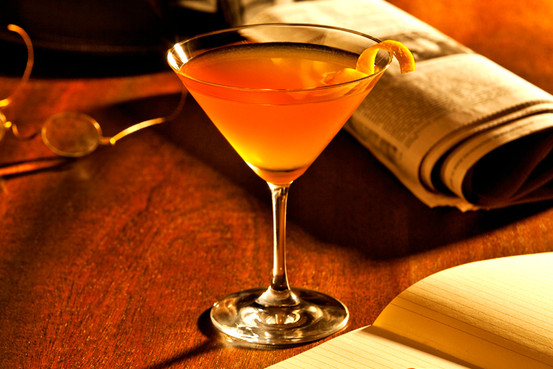
Pic courtesy of Dylan Cross (dylancross.com) for WSJ online (click to view Dylan's site)

“Oo la la…who is that dashing American in the leather jacket?”

“Why that’s Captain Sidecar, mademoiselle.  But you be careful with his kind.”

The Hôtel Ritz is one of the grandest, most opulent hotels in the world.  Built in 1898 in the heart of Paris, its bar saw the likes of Scott Fitzgerald and Ernest Hemingway on a regular basis.  Perhaps Jay Gatsby even entertained Daisy in a side booth.  Heard the term “ritzy”?  Yep, it started here.

When World War I ended, Paris was flooded with victorious and jubilent soldiers returning from all manner of foxholes and unspeakable carnage.  The streets were alive with joy and the bars were packed with heros and their newly-freed admirers.

It is rumored that in this prestigious bar of the Hôtel Ritz, the Sidecar cocktail was first created for an American Captain that was whisked around the city by motorcycle sidecar.  (But as with many classic cocktails, others claim its origin, and some say it first saw the light at the Buck’s Club in London).

Somewhere around 1934, cocktail books began to call for a “crusta” rim which is created simply by rubbing a lemon onto the rim of the glass and rolling its edges in sugar until thoroughly coated.  It is then left to harden in the freezer before its time to make the Sidecar.

For my money, I go with the more glamorous story…so to the victorious American Captain who chose to have his designated driver zip his drunk ass around the streets of Paris in a motorcycle sidecar, today’s classic cocktail is in your honor.

PART AND PARCEL

  • 1.5 ounces Cognac (or your favorite Brandy)
  • 3/4 ounces Cointreau
  • 1/2 ounce Lemon Juice

(You can experiment with the ratio of Cointreau and Lemon.  The original “French style” calls for equal parts Cognac, Cointreau and Lemon, while the “English style” calls for two parts Cognac and one each of Cointreau and Lemon).

FILLING THE BILL

Combine your ingredients in a trusty mixing glass, fill with ice and shake until cold to the touch.  Pour into a chilled cocktail glass and garnish with an orange peel.

I wonder how Captain Sidecar got all those cute French chicks back to his place?  Ah, I got it…he must have had a double sidecar motorcycle.  One for him and one for his mademoiselle.

Now that’s how it’s done, folks.


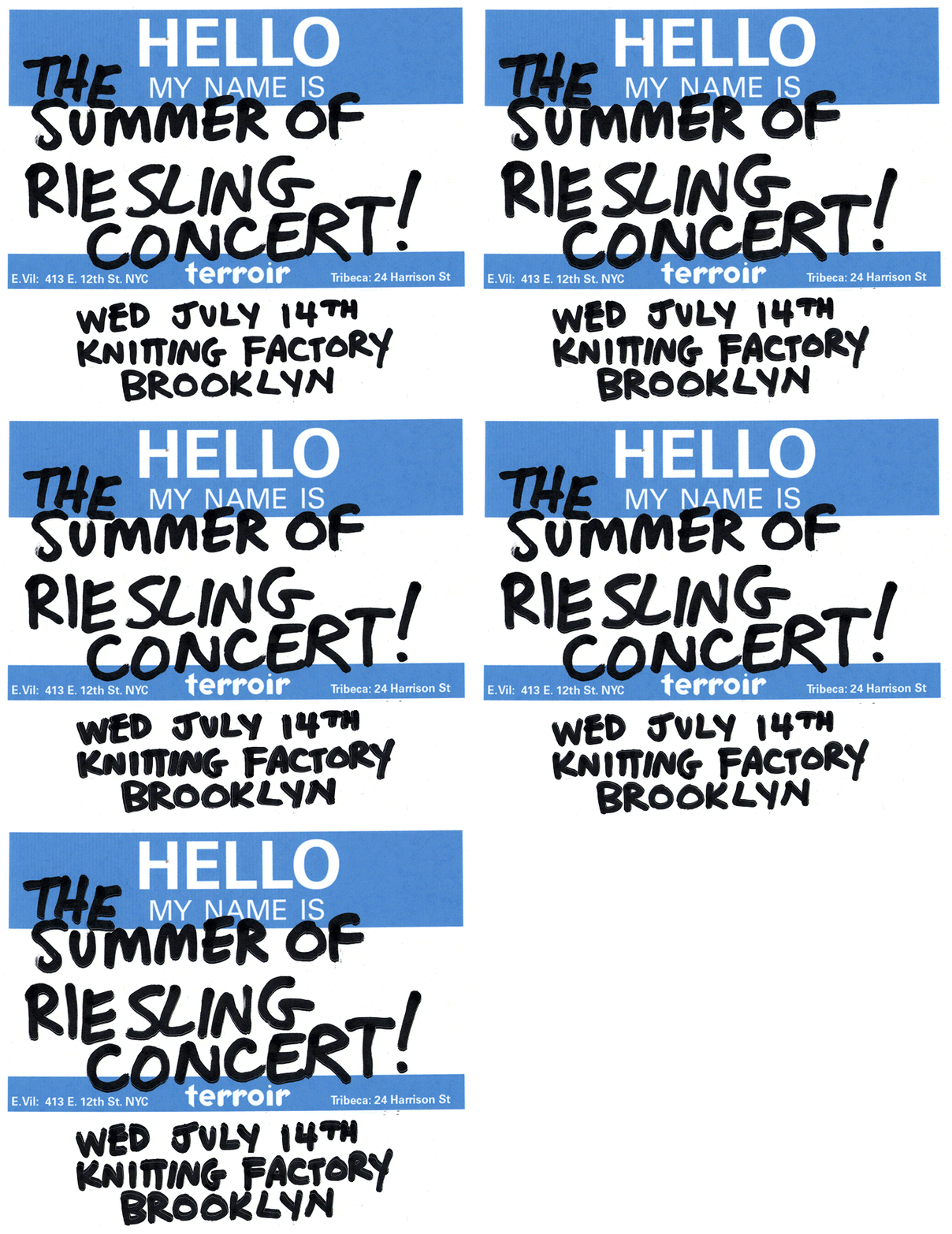
$30 (Includes 4 glasses of Riesling)
$15 (Music only)
 

Prepare yourselves for an event that will change lives, hearts and minds. 

Four amazing bands chosen for their high acidity, elegant concentration of fruit and incredible sense of place. 

The Bands: 

(Click their names to hear why you don’t wanna miss this): 

*Himalaya: Mosel Kabinett levels of subtle, pulsating rock that will sneak up on you melt away your resistance. Give in, baby! 

*Nouvellas: Tambourines, soul and harmonies like Dr. Frank’s dream of Finger Lakes Riesling reaching its full potential and groove. 

*Black Hollies: Paisley, power and pop. This is the Maximum Grunhauser Abtsberg of modern psychedelia. You will be hooked by the residual sugary reverb hooks but addicted by the acidic backbeat. 

*Lights On: Excited jangly guitars from San Diego. Like a Rheingau Auslese, balancing unctuousness and tropical fruit from warmer regions with firm structure. 

**Tickets available at the door or here: BUY TICKETS NOW 

The Rieslings: 

Old World 

  • Merkelbach Riesling Kabinett Urziger Wurzgarten #11 (Germany)
  • Mittnacht Riesling 2009 (France)
  • Gobelsburger Riesling “Gobelsburger” 2009 (Austria)

New World 

  • Wiemer Riesling 2007 (New York State)
  • Cave Spring Riesling 2008 (Canada)
  • Pacific Rim Riesling 2008 (Washington State)
  • Glen Eldon Riesling 2006 (Australia)
  • Gotham Project Riesling in keg 2009 (New York State)

(Glasses of Riesling will be $5) 

Knitting Factory
361 Metropolitan Avenue, Brooklyn
 

We anticipate your attendance eagerly and with notes of petrol and slate. 


Photo courtesy of The Bollard

As the Gulf Coast wakes up to another morning of promises from their good friend, BP, the world waits to see if their latest containment cap scheme will finally stop the gushing oil.

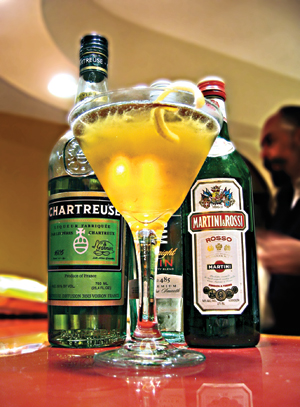
After 83 days of being pounded by black crude, the Louisiana Bayou has been sent through the ringer.  Add to that, the after-effects of Hurricane Katrina are still present and we’ve got ourselves a region in need of a stiff drink.  This Classic Cocktail Tuesday is devoted to you, Gulf Coast.  I give you the Bijou for the Bayou.

Pronounced “Bee-zhoo”, the Bijou appeared on the cocktail scene in the late 1800’s.  Meaning “jewel” in French, it is a full-flavored, herbal dynamo that is certainly not for the faint of heart.

A classic spin on the sweet martini, the Bijou has seen a number of variations over the last century, often with bartenders scaling back the Chartreuse and Italian Vermouth to modernize it and bring down the sweetness factor.

When Rachel Maddow made one for Jimmy Falon last year on his TV show, the amount of Green Chartreuse flying off the shelves in this country no doubt increased ten-fold.  And thus, those buyers met a very special spirit…

Flavored with over 130 herbal extracts, Green Chartreuse is a French liqueur which first became wildly popular in the 1740’s.  Made by Carthusian monks, it is named after the Grand Chartreuse, their monastery located in the Chartreuse Mountains near Grenoble.

PART AND PARCEL

  • 1 oz Dry Gin
  • 1 oz Sweet Vermouth
  • 1 oz Green Chartreuse
  • 1 dash of Orange Bitters
  • Cherry garnish

(For a less sweet version, try 1.5 oz Gin, 3/4 oz Vermouth and 3/4 oz Chartreuse)

FILLING THE BILL

Combine the ingredients in a mixing glass and fill with shaved (or chipped) ice.  Get out your trusty bar spoon and stir for about 20 seconds.  Strain into a chilled cocktail glass and pop in a cherry.

Here’s hoping the oil spill will be stopped before we reach the 100th day.  Or better yet, here’s hoping America will finally wake the f up and move away from oil completely.

The Gulf Coast is too much of a jewel to put up with this shit any longer…

Well, looky looky, we’ve got ourselves a good ol’ bar crawl.

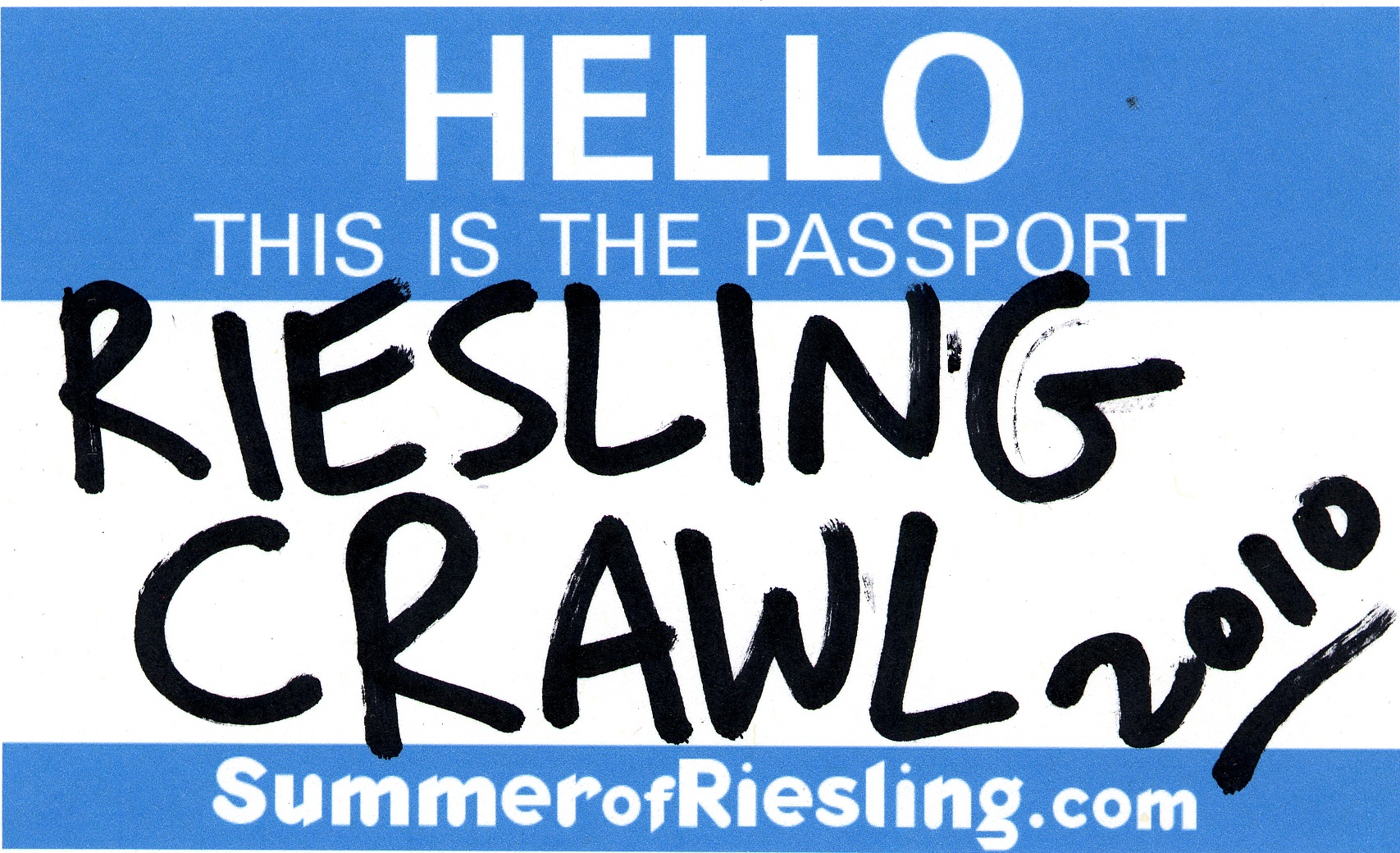
That’s right, folks, we (the lunatics of Terroir Wine Bar) have cooked up a new venture for this year’s Summer of Riesling and brought along some of our Riesling-loving friends.  Get in on the action and all-hail the greatest wine grape known to man.

How the Crawl Works
Start Date:  July 7th——Finish Date:  August 7th

  1. Slip on a pair of your favorite shoes
  2. Walk, bus, train, fly or crawl to participating locations
  3. Order a glass of the Riesling listed for that venue and get a stamp in your trusty passport
  4. Thank the earth for offering up such liquid bounty
  5. Move on to the next location
  6. Repeat praises of the grape & kiss your neighbor

Passports are available at the participating wine bars.  The winner who completes the most stops and answers our two Riesling-related questions will receive:

A most enlightening, Riesling-focused tasting dinner at Hearth Restaurant for six people

Everyone loves a good bar crawl.  So bring grandma and the kids.  Call up your enemies and bury the hatchet over some hypnotic citrus notes and bracing acidity.  It’s Riesling, people, and it will cure all woes.  Rheumatoid Arthritis?  Riesling.  A broken heart?  Riesling.

Get some, my friends.  A whole new world awaits you.  See you on the streets.

Courtesy of John Thile. Click to see more of his pics on Flickr (gilrain).

There was a time when pilots were heroes and the nation was fascinated by their exploits in the sky.

Captain Sully Sullenberger aside (you are a prince among men, sir), we’ve moved into a new realm of hero.  Like Justin Bieber, for instance–I mean, like, wow, how does he get those bangs so perfect?  But in the 1930’s, men like Charles Lindbergh fascinated the country when he flew the Spirit of St. Louis (a single-engine, single-seat craft) from New York to Paris in a 3,600 mile voyage of bravery.

This week’s classic cocktail is in honor of these bold heroes (real heroes) like Lindbergh, who, if my guess is correct, tipped back a cold Aviation the moment his feet hit the ground.

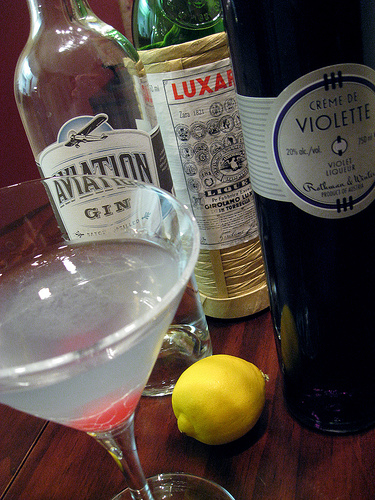
Using the once near-impossible-to-find liqueur, Crème de Violette, the Aviation was first mentioned in print in 1916 in “Recipes for Mixed Drinks” by Hugo Ensslin, who was a New York bartender at the Hotel Wallick in Times Square.  Additionally, the use of Maraschino liqueur (itself a once-rare ingredient), makes this cocktail one that had nearly slipped into oblivion but has flown back on the scene and can be found at any serious cocktail bar.

As mentioned, Crème de Violette was once as hard to find as a wee leprechaun’s elusive pot of gold.  But a great version from Rothman & Winter has become readily available.  Produced in Austria, it is made by macerating Queen Charlotte and March Violets (which grow high in the Alps) in a brandy distillate with a touch of cane sugar for sweetness.

Maraschino is a bittersweet liqueur made from Marasca cherries grown in Croatia which, along with the crushed pits, are made into a distillate and allowed to mature for two years in Finnish ashwood vats giving a slight almond flavor.

Perhaps Lindbergh flew over these same slopes in the Alps and gave a nod to the violets below while munching on a mid-air snack of Croatian cherries…

Part and Parcel

  • 2 ounces Gin
  • 1/2 ounce fresh Lemon Juice
  • 1/3 ounce Maraschino Liqueur
  • 1/6 ounce Crème de Violette
  • Maraschino cherry for garnish

Filling the Bill

Pour ingredients into an ice-filled cocktail shaker and shake till cold to the touch.  Strain into a chilled martini glass and drop in a cherry.

Sit back, look up to the sky and give a nod to the spirit of Charles Lindbergh.  You’re a true hero, sir.  (But we may need to work on your bangs; I’ll contact Justin Bieber for some notes).

Survival Canteen (Photo by Kat Bryant)

We came by boat.  We drank with tiny cups.  We conquered the crowds?

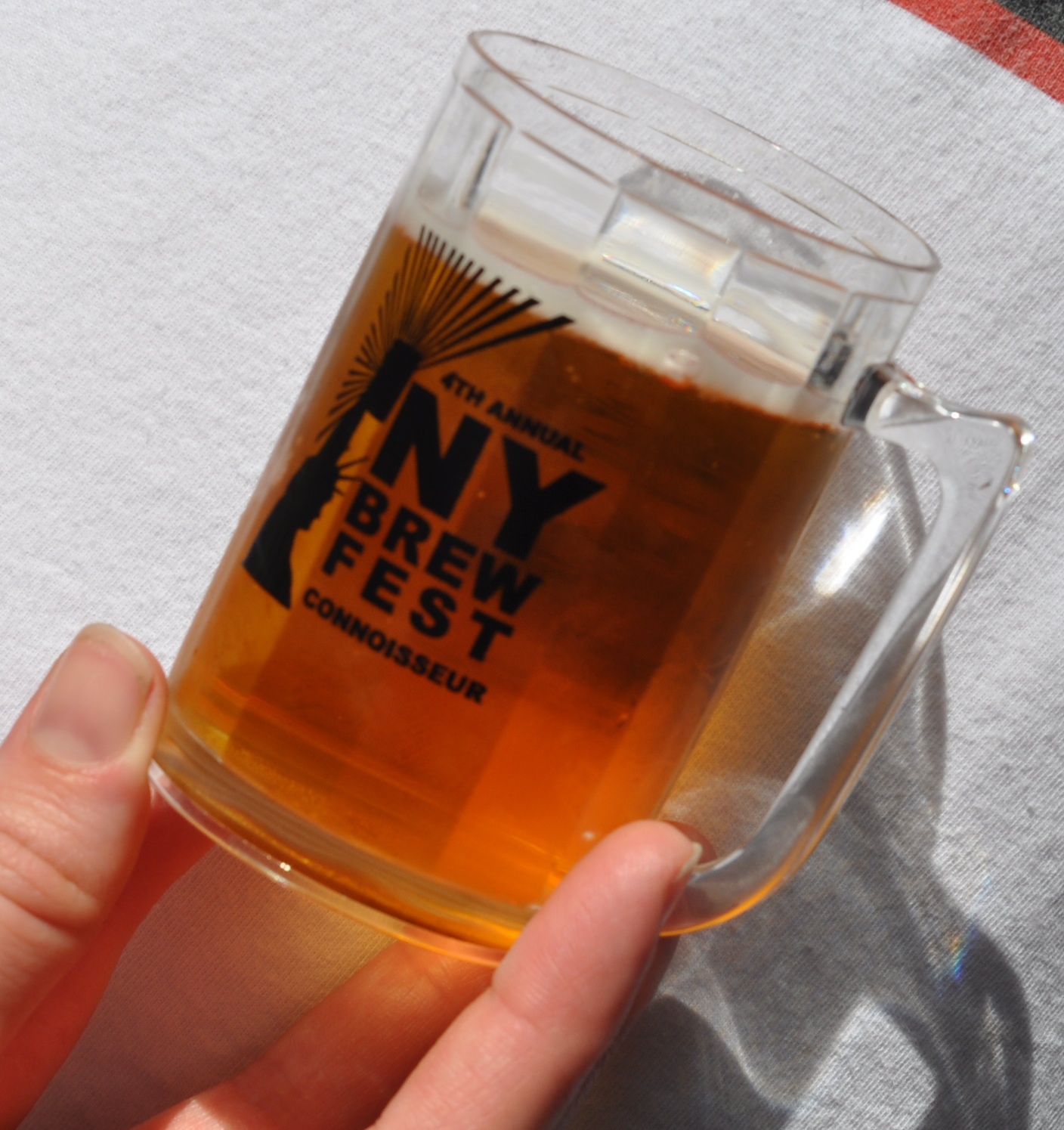
Brewfest 2010 has come and gone.  For some, it was an afternoon of craft beer heaven.  For others, it was like being trapped on an island of thirsty, angry savages with the mere mirage of food and beer only on the horizon.

This video documents our experience:

httpvhd://www.youtube.com/watch?v=0UY47H85Frk

Did you attend the event this year?  What was your experience like?  Leave a comment below and let’s make 2011 even better.

Pic courtesy of The Manhattan Project-Cocktails

A bullfight is the most hypnotically awful event I have ever seen.  I’m glad I went that hot afternoon in Seville, but have no desire to return.

Strangely elegant in its mismatched death, one of the haunting images that has stuck with me is that of the bull’s blood being mixed in with the sand by a team of horses pulling rakes across the stadium floor.  It is done after every bull’s death to reset the stage for the next lucky victim.

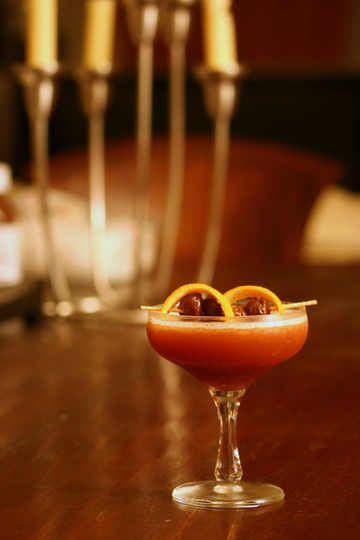
That being said, and hopefully an image that greets you into your day (yea bull death!), I give you this week’s classic cocktail: Blood and Sand.

Named for the famous Rudolph Valentino movie of 1922 (and said to be Mr. Valentino’s favorite role of his career), the Blood and Sand is one of the few Scotch-based cocktails on the roster of classics.

The key to this drink is the use of the cherry brandy.  While there are a number of cherry-based spirits on the market (with Kirschwasser being the most well-known and a dry spirit), we actually need to swing the pendulum in the other direction to land on a sweet, cherry-flavored liqueur like the mesmerizing Cherry Heering.

First produced in 1818 by a Dutchman named Peter Heering, Cherry Heering is a brandy-based liqueur made from dark cherries.  Not overly sweet, it is regarded as the best of the best in the world of cherry liqueurs.  Peter’s wee elixir lives on at fine bars around the world.

Part and Parcel

  • 3/4 oz Scotch Whisky
  • 3/4 oz Sweet Vermouth
  • 1/4 oz Cherry Brandy
  • 1 1/2 oz Orange juice
  • Flamed orange zest for garnish

Filling the Bill

Pour ingredients into an ice-filled cocktail shaker and shake till cold to the touch.  Strain into a chilled martini glass, get out your trusty lighter and flame the orange zest in an acid-fire flourish.

Add the garnish to your cocktail and sit back and thank the heavens you’re not a bull in Sevilla.

North Williamsburg.  On a rather desolate block, a mini-Mecca for libation lovers awaits in two-story glory.

Be you beer geek, cocktail purist or refined wino, this is your place.  All under one gloriously designed roof and with a level of hospitality that will warm any NY’ers heart.

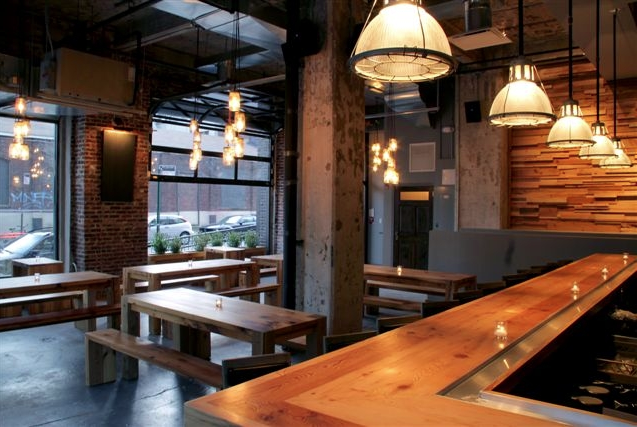
The Counting Room, at 44 Barry Street in Brooklyn, plays to many strengths, and is testament to the consumate professionals behind its multi-beveraged-assault on the senses.

A cocktail program born from the classics of the 1860’s and spun into the modern world, a wine program that is diverse, current and savvy, a beer program that celebrates the craftsmen and a level of food that promises to please the refined.  It has it all.

I recently sat down with co-owner and mixology wizard, Vincent Favella, for a couple of cocktails and got the low-down on what makes The Counting Room tick.  Watch the video below:

httpvhd://www.youtube.com/watch?v=N4JmKHigI0g

The Empire Sour

  • 2 oz Laird’s Applejack
  • 1/4 oz Carpano Antica Formula
  • 1/2 oz Simple Syrup
  • 1/2 oz Lemon Juice
  • 2 Dashes Regan’s Orange Bitters
  • 1 Egg White
  1. Combine the simple syrup, lemon juice, orange bitters and egg white in a shaker and shake vigorously (without ice).
  2. Add ice and applejack and shake what your mama gave you.
  3. Strain into a frozen 6-ounce tumbler and float Carpano Antica Formula.

Get yourself to Williamsburg and down to the cocktail lounge of the Counting Room where Vince and his crack team of mixologists are waiting for you.

Come thirsty and leave content.  You may even be a bit more educated…tipsy, but educated.

Pic courtesy of Drinking the World

Spin the bottle?  No, baby, spin the bar!  Why play childish games when we can ride the booze carousel?

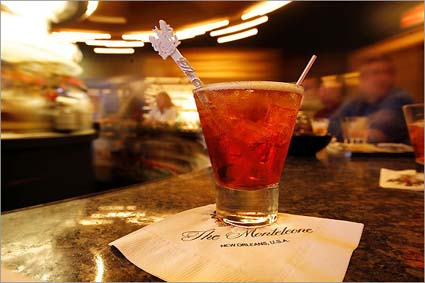
The Hotel Monteleone in downtown New Orleans, not only has a revolving bar, but is the place to get down to some serious libation business.  Today, it’s the home to Tales of the Cocktail, the five day drinkfest that leaves a ripple in the time space continuum each year it goes off.  Many a forgotten evening has happened here while spinning on the carousel…

But let’s forget the crowds of today and travel back to the cobblestone streets of the French Quarter in the 1930’s.  It is there that this week’s classic cocktail, the Vieux Carré (the French name for the Quarter), was created by the Hotel Monteleone’s head bartender, Walter Bergeron.

Originally produced by monks at an abbey in Normandy (which was later destroyed during the French Revolution) Bénédictine is an herbal, aromatic liqueur said to be made from 27 herbs and spices.  But who am I to say?  Legend has it that only three people are allowed to know the recipe at any given time.  Regardless, it is the touch that brings this drink into harmony.

Part and Parcel

  • 3/4 ounce rye whiskey
  • 3/4 ounce sweet vermouth
  • 3/4 ounce cognac
  • 1/2 teaspoon Bénédictine
  • 1 dash Peychaud’s Bitters
  • 1 dash Angostura Bitters

Filling the Bill

Combine your elixirs in a mixing glass, fill with ice and stir until you’ve completed the phrase: “Oh, New Orleans, how I wish I could travel your ghost-filled streets by the light of a gas lantern-lit carriage”.  Then, pour into an Old Fashioned glass over ice.  Garnish with a lemon and a cherry (if you’re feeling cheeky).

Watkins Glen State Park

Can the spirit of the land be captured in a bottle?  Can time, geography and culture be turned into liquid?  Yes it can.

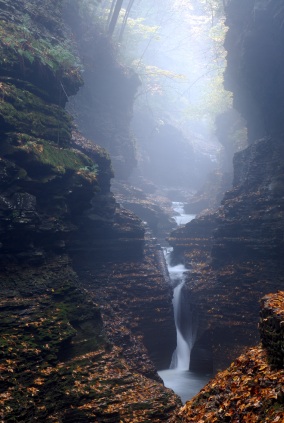
The Finger Lakes is a place of magic with rolling countrysides, vineyards, orchards, lakes and hamlets that remind me more of Ireland than the US.  And there, Finger Lakes Distilling is cranking out some incredible spirits.

Being from Colorado, I’m a sucker for the outdoors and if left to my own druthers, I’d disappear into the Rockies to live off the land like Ralph Waldo Emerson did at Walden Pond.  So when it came time for my wife and I to pick a wedding locale, Colorado was my top (and only) choice.  I was resolute that nowhere else possessed the natural majesty.  And then I traveled to the Finger Lakes…we had found our spot.

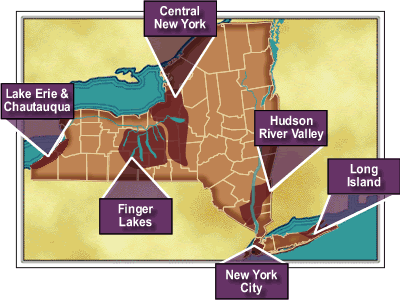
Composed of eleven lakes, the Finger Lakes region of upstate New York is the largest wine region in the state and because of its sheer volume of fruit, makes New York #3 in total grape production in the US.  And there, amongst the wineries of Seneca Lake, lies the regions only stand-alone distillery.  This is where the magic happens.

Sourcing ingredients from local farmers, they’re distilling in small batches and have a long line of impressive elixirs that have captured the soul of the region in bottle-form.  The roster includes whiskeys, grappas, gin, vodka and fruit liqueurs.

The Soul Transporter 2000

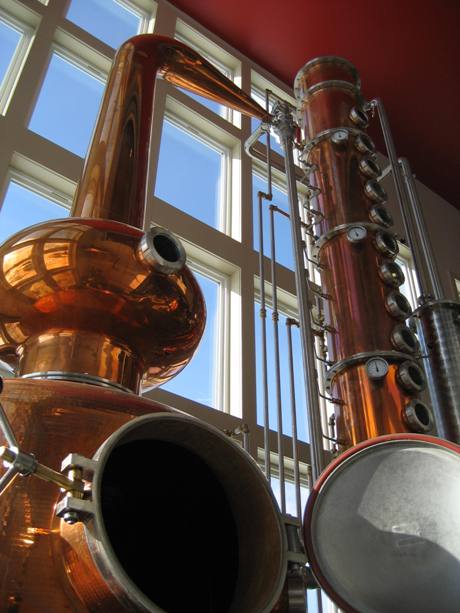
The still used to complete this conversion of earthly matter to liquid essence?  A 4,000 pound, giant pot still and rectification column made in Markdor, Germany and transported nearly 4,000 miles to its home in the Finger Lakes.

(Rumor has it that the still was crafted by a lone witch far in the mountains of the German hinterlands during a feverish acid-trip involving many newts and haunted cow skulls…or maybe I just started that rumor…)

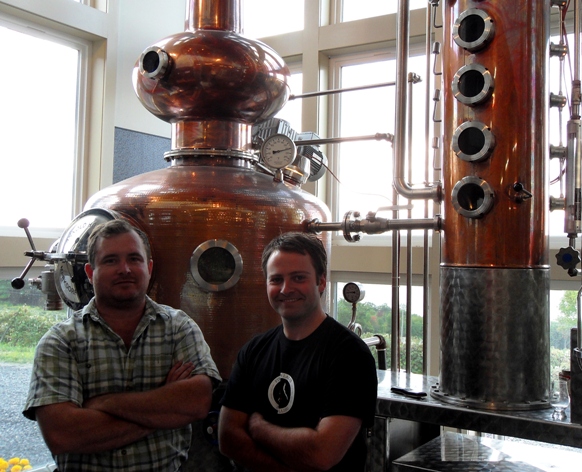
The man behind the still?  Thomas Earl McKenzie of Monroesville, Arkansas, who comes from a long line of distillers and has made everything from wine to beer to spirits, and even done some farming along the way.

Thomas has teamed up with a former banker named Brian McKenzie (no relation, but how’s that for magical coincidence?) who convinced Thomas to leave the South and bring his family up to the hills of New York and launch the distillery.  I’m glad he did.

The Wizards and their Witch's Brew

Here’s the rundown of three of my favorites:

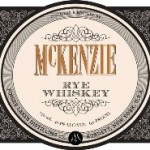
McKenzie Rye Whiskey (45.5% abv)

Using New York state grain (80% Rye and 20% Malted Barley) and distilled with old-time techniques, McKenzie Rye is then aged in charred casks and finished in sherry barrels from local wineries.  This ain’t your grand pappy’s rye whiskey.  Whereas most Ryes are strong and spicy with the ability to take the paint off a Thunderbird, the McKenzie rye has an elegance and silky mouthfeel that I haven’t come across before.  A smooth integration of spice, maple and a hint of orange is nicely accented with some butterscotch notes.

Vintner’s Vodka (40% abv)

As some of you know from my previous writing on vodka, I’m not a huge vodka fan as I just can’t sink my teeth into a spirit that’s odorless and flavorless.  But the Vintner’s Vodka is far from that.  Using a blend of local grapes (mostly Catawba) sourced from near the distillery, as well as some from their own vineyard, they’ve combined the talents of the winemaker with the distiller.  Ridiculously smooth and silky in the mouthfeel, it elicits notes of lychee, vanilla and orange with a hint of spice on the finish.

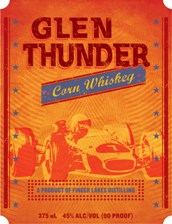
Glen Thunder Corn Whiskey (45% abv)

Clear whiskeys don’t see the inside of a charred barrel (which is how Bourbons get their coloring).  In foregoing the charred oak flavor, one can capture the flavor of the natural grain (in this case: 80% corn, 20% barley malt).  Glen Thunder is made with local, organically grown corn and will bowl you over with its aromatic notes of freshly shucked corn.  Again, with a smoothness that seems to be Thomas Earl’s trademark, this whiskey is round in the mouth, silky and with a hint of bacon (mmm…bacon…).

I don’t understand the intricacies of the still, but I do know when I taste something unique.  Something that exudes life and soul.  And I believe, with the right approach and the right ingredients, we can play Merlin on this earth.

Look for the McKenzies on your next trip to the Finger Lakes.  They’ll be the ones wearing the magical blue capes and flying around on tricked-out broomsticks.

Originally created in Florence at the Baglioni Hotel in the 1920’s, the Negroni was the regular drink of a bar customer named Camillo Negroni.

Italians are nuts about bitters and Camillo couldn’t get enough of the mouth-watering sensation of Campari.  So much so, that his name lives on in bars around the world.

Campari is an aperitif made by infusing bitter herbs, aromatic plants and fruits into alcohol and water.  It gives an unmistakable zip to your drinks and snaps your palate into attention like a Tuscan drill sergeant.  (Or at least one wearing a velvet glove while slapping you across the mouth).

The perfect time for this drink?  Now!  Or before a meal.  Whenever you feel your palate needs a good wake up call, just play this military revelry on your trumpet.  Here’s how…

Part and Parcel

  • 1 ounce dry gin
  • 1 ounce Campari
  • 1 ounce Sweet Vermouth

Filling the Bill

  1. The Negroni is traditionally served either on the rocks or straight up.  For the rocks version, simply pour the ingredients over ice in an old-fashioned glass, give it a nice stir, twist a small piece of orange peel over the drink for some aromatic heaven and then use for a garnish.
  2. To serve straight up, combine the ingredients in a mixing glass, fill with ice and stir for a healthy 20 seconds.  Strain into a chilled martini glass, twist a small piece of orange peel over the drink for aromatics and use for a garnish.

"D-Bag with Crystal Beer Mug" (photo by Kat Bryant)

Well, hip to the hop to the hippity hop.  Looks like I got me a wee bit of press last week.

Maggie Hoffman, of Serious Eats, interviewed me about my job and, among other things, my thoughts on beer lists in restaurants.  (Mom will be proud to hear her son raving about craft beer, walking through raw sewage in the bowels of NYC and finding teenagers shooting up in the bathroom).

Read the article by clicking here: Serious Eats: “A Pint With: David Flaherty, Terroir/Hearth”

In other news, Grapes & Grains surpassed 3,000 subscribers this weekend and I’m ecstatic.  Let’s look at some more stats…

In doing a quick house-cleaning for the summer, I found these were my Top 5 most popular pieces for the month of May (click to read):

  1. Absinthe: the Green Fairy
  2. David & Goliath: Rock Art Brewery vs Monster
  3. Hops: the Heart of Beer
  4. Ask an Insider: the Fall of Australia the Great?
  5. NYC Cocktail Joints and Speakeasies

And while scrolling through, I discovered that Grapes & Grains is read in over 100 countries.  I wonder what they think of craft beer and artisan cocktails in Iran?

These were the Top 5 countries last month:

  1. United States
  2. The Russian Federation
  3. Canada
  4. Great Britain
  5. Australia

(And on a cool note, Ireland was #6.  My great great grandfather, James Ignatius O’Flaherty would be proud as I’m sure he appreciated a well-poured pint in his day.  That being said, get your ass in gear, Ireland.  I mean only sixth?  Come on, focus!)

There is a lot more in the works for the coming months, including more videos, more libations and more mayhem.

Thanks to all my readers out there; you’re the tannins that grip my wine, the foam that tops my beer and the bitters that balance my drinks.

And as always, I love to hear from you.  Keep those comments coming and keep drinking the good juice.

(Warning: overconsumption of macro-brewed beer will lead to unhealthy love of fuschia shirts)

"Welcome to Dexter, kids. It's time to get funked up"

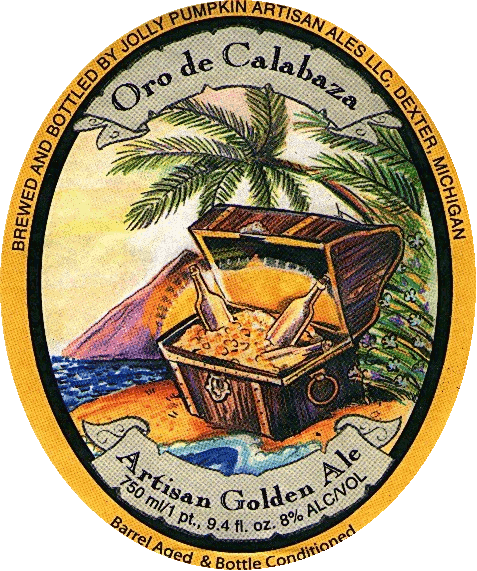
There’s some funky shit going on in the US craft beer scene, and one brewery is leading the charge.  Located far from the usual suspects on the West coast, the East Coast and the Colorado beer belt, one must travel to the tiny town of Dexter, Michigan (population of around 3,000), to find Jolly Pumpkin Artisan Ales. They are jamming in a bold direction that has beer geeks atwitter from coast to coast.

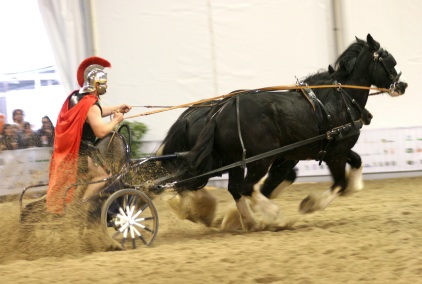
After hearing about them a few months ago, and then seeing them top the NY Times’ list of top Belgian-style ales with their Oro de Calabaza, I was desperate to get my palate wet with its liquid gold.  And once anointed with its funkiness, I ordered a case immediately and had it sent to the restaurant for next day delivery.  I was bridled in like a chariot rider to his wild stallion and became an instant advocate.

Whereas most brewers’ number one concern is eradicating all microbial beasties through intense sanitization, Jolly Pumpkin embraces the wee devils like an orphanage welcoming castaways in the night.  In an ever-increasing niche in the beer world, wine barrels are finding a second life in a beautiful communion where wine meets beer.  And the matchmaker at the helm?  Ron Jeffries.

Ron Jeffries (pic courtesy of SCPR)

Founding Jolly Pumpkin in 2004, Ron was looking to go in a different direction.  Having been a successful brewer previously, he set his new sail under the banner of doing “rustic country beers”.

Never putting his beers through pasteurization or filtration, Jolly Pumpkin ages them in wine barrels which contain naturally-occurring microbiological cultures including Brettanomyces (a yeast strain familiar to winemakers).  This gives wild flavors to the beers usually described by such delightful terms as “sweat”, “horsehair”, “sour” and “earthy funk”.

These are certainly not the type of beers to pour for your Budweiser-drinking friends who are curious about the “whole craft beer thing”.  Trust me, without proper pre-requisite palate training, these beers will send them running for the hills and back to their Miller Lites faster than you can say “funky chicken”.

Using open fermentation, a cultured Belgian yeast, as well as the wild yeasts of Dexter, the Oro de Calabaza is finished in Chardonnay barrels.  For a wine and beer geek like myself, it’s the perfect union.

Pouring cloudy and hazy with an intense foaming head that unfurls from the bottle like a frothy centipede, notes of spicy honeysuckle and buttery oak seem to be wrapped up in a tortilla of fresh fruit which jumps from the glass.  With a sourness that’ll slap you into the moment, it finishes with balance and an integration of flavors that is astounding.

This is no beer for beginners nor for those looking for a forgettable, session-able beer to down at the ballpark.  No, this is a beer for those looking to taste the whole cadre of Belgian flavors in one bottle.  A genie of funk rises forth that will hypnotize you and turn you into the helpless zealot that I’ve become.

Onwards, wild stallion, onwards!

An unsuspecting innocent tasting the Oro de Calabaza for the first time

Blanc de Franc (100% Cabernet Franc), Couly-Dutheil, NV (but really 2008), Loire Valley

Abracadabra, you've been punked

The magicians at Couly-Dutheil have performed a trick that baffles the eye.

They pulled back their cloak, placed a bunch of red Cabernet Franc grapes behind it, said an incantation to the spirits of the Loire, and, walla kazaam, a le vini, out popped an innocent looking glass with a liquid in it as clear as water.

Hypnotic notes of strawberry cream peppered with yeasty, Champagne notes beckoned me ever closer to its grasp.  My eyes kept deceiving me, as I looked in awe at the clear wine in my glass.  Was it a red?  A rose?  Surely not a white wine.

“But you’re made from red grapes,” I shouted!  “What the hell has gotten into you?”  It sat motionless like a confident harlot knowing her appearance alone was strong enough to keep me riveted.

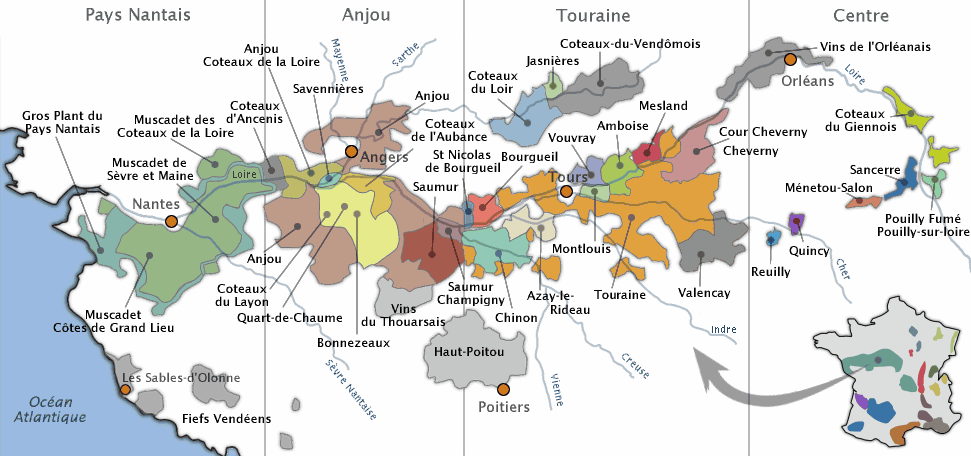
Look closely, at the heart of the map lies Chinon (in green)

This is the Couly-Dutheil Blanc de Franc, a white, still wine made from Cabernet Franc, the predominant red grape of the Loire Valley and an illustrious grape of the highest caliber.

As a grape’s juice is clear, a wine’s color comes from the grape skins, which are often described as the “dye packets” which gives wine it’s color.  But leave the skins out and you’ve got the soul of the red grape without any of its pesky color.  Perfect for me to be beguiled by in the East Village.

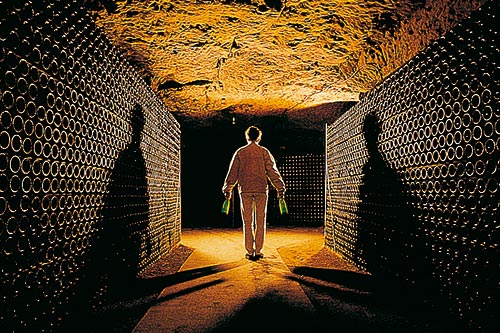
The village of Chinon lies on the left bank of the Vienne River, at the heart of the Loire Valley.  The Loire is a wondrous region of castles and caves (wine cellars) carved directly into the riverbanks made of tuffeau, a marine sedimentary rock formed by fossilized organisms that once swam through the area.  The stone labyrinths allow for perfect storage temperature and you will find countless wine barrels stashed all alongside the river’s path.  Look even closer, and you may find a magic mummy.

Couly-Dutheil is a powerhouse in the Loire Valley.  One of the most well-known maisons in Chinon, they have a range of wines made from the white and red grapes the Loire calls it’s superstars: Chenin Blanc and Cabernet Franc.

In fact, they play with them like a child does the toys in it’s toy box.  A range of still and sparkling wines round out their portfolio and it’s clear that the wine growers are under the spell of the wondrous soils of Chinon.

The Blanc de Franc is a radical wine.  French AOC laws don’t allow a still, white wine to be made from Cabernet Franc in Chinon, but Couly Dutheil stood undettered.  They released it with a lesser designation and therefore were unable by law to mark it with a vintage.  Word is, only 25 cases came into the US.

How’s that for a disappearing magic trick?

Winemaker Arnaud Couly preparing a wizard's potion

« Newer Posts - Older Posts »