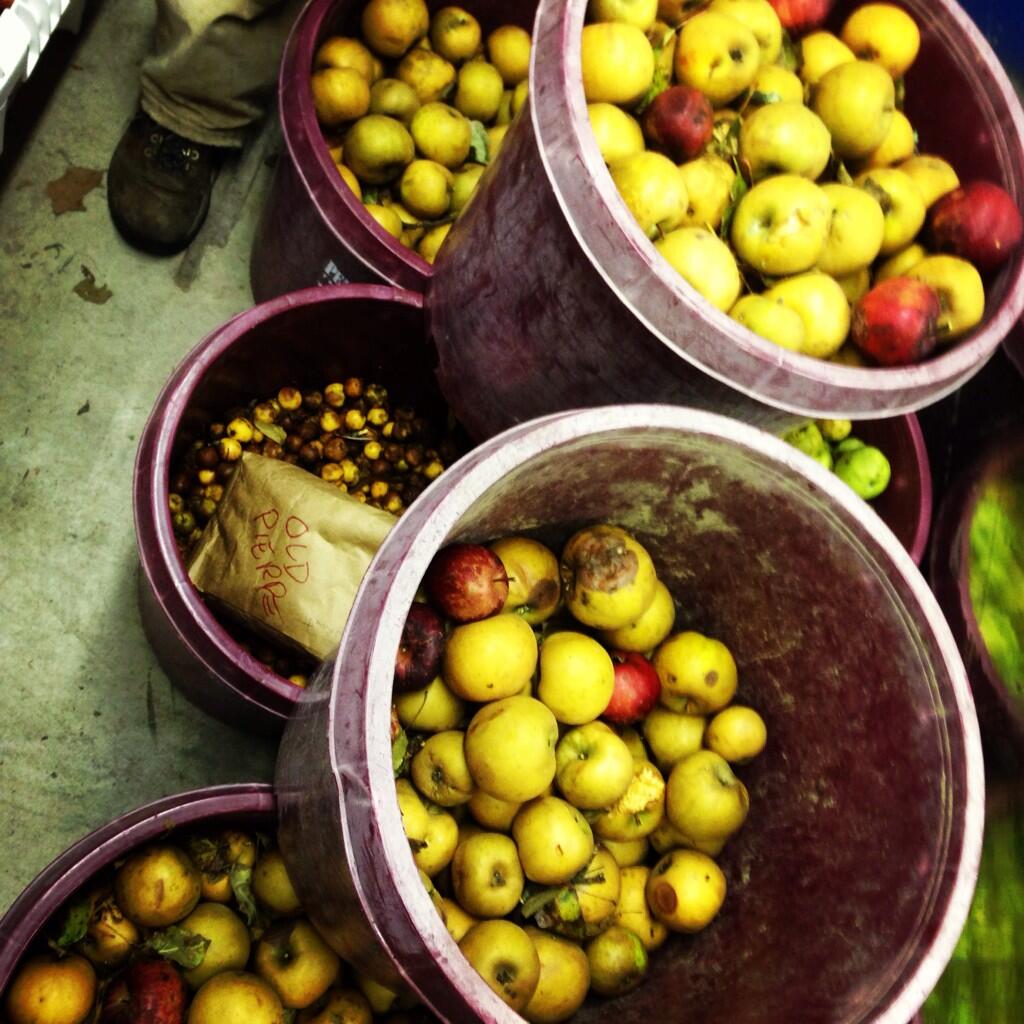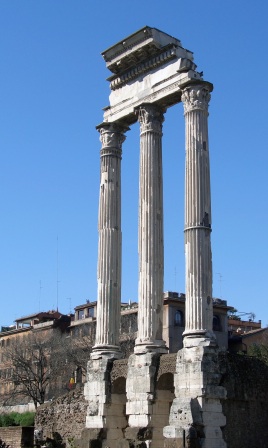
Here once stood the great Chateau Lafite...
It was the shot heard round the world. Yesterday, Eric Asimov of the NY Times wrote an article that sent shock waves through Bordeaux. The message: you’re soon to be on life support.
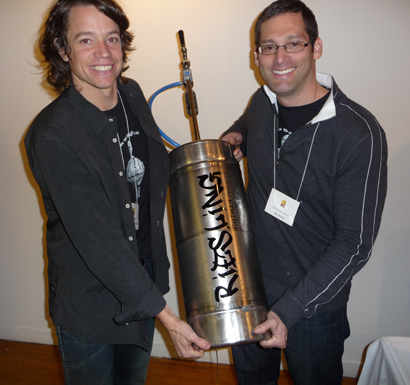
I feel inclined to write as Paul Grieco, our fearless leader, was pictured in the piece and our wine programs at Hearth and Terroir were discussed. It was a simple article and yet a brilliant one.
I would have killed to be a fly yesterday on the Gironde River to see the panicked look on the faces of the Chateaux owners as they sipped espressos and overlooked their empires. Or at least, I hope they were panicked…if the entire Bordelais wine industry isn’t discussing Mr Asimov’s article, then they may be more screwed that they can possibly imagine.
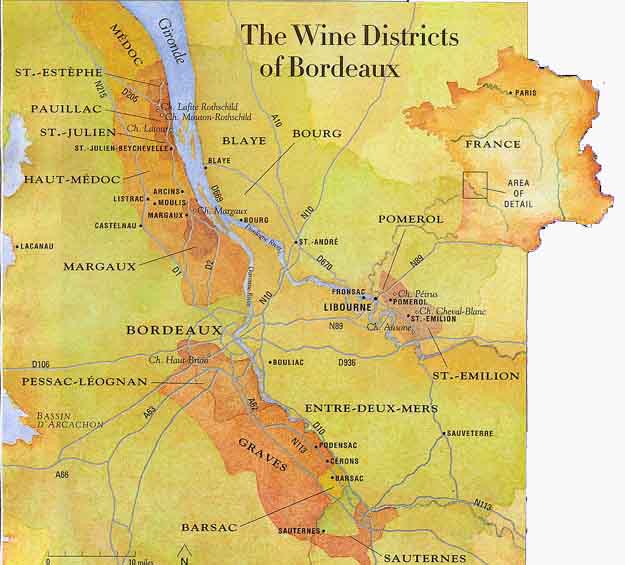
You see, Bordeaux and its wines are falling prey to a massive marketing failure. They have effectively cut themselves off from the new generations of sommeliers, wine geeks and the average consumer.
Their solid devotees are the collectors and rich “score-chasers” that blindly follow Robert Parker and hunt down their top wines every year like Mercedes collectors do fine cars. Their wines are snatched off the market and tucked away in temperature-controlled cellars/bunkers around the world only to see the light of day when its time to shock and awe.
The problem with this? Well, the world has come to see Bordeaux as a playground for the rich, the Monte Carlo of the wine world. “You gotta pay to play, bitches, and pay dearly! Looking for value? Look elsewhere!”
When I first got into wine, I worked at a wine shop in Brooklyn Heights. Like every other newbie, my studies quickly brought me to Bordeaux and the infamous estates of the Official Classification of 1855.
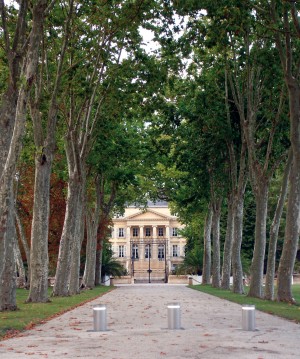
But I can't even see the front gate?!
Names like Chateau Mouton Rothschild, Chateau Latour and Chateau Margaux struck warmth in my heart. They were dynasties of greatness, wine Meccas, castles to our craft.
But then I saw their price tags. Holy fuck, I thought, I’ll never be able to even taste these wines! I felt crushed. I set about finding alternatives, an entrance through the back door. There were “second label” wines from these Chateaux, I realized, but they were also out of my paltry salary. I tore though our stock, getting more and more desperate to learn what all the fuss was about. But the few we had at an affordable price seemed so far removed from the epicenter of the great Chateaux that I became lukewarm in my zeal. I was depressed and felt shut out of the greatest wine region in the world. How would I ever make a place for myself in this business without knowing and experiencing them?

"Buy two barrels of the Margaux! Now, damnit!"
Add to that, I was constantly exposed to clientele that coldly hunted them down and salespeople that snobbishly wielded them like gems I was too uncivilized to understand. My feelings of exclusion soon became anger.
I soon found the “resistance”–the wine regions that wanted me, the fledgling young wine geek, on their side. Instead, regions like the Rhone and the Loire fueled my wonderment, soon followed by Spain and Italy. I left Bordeaux behind.
The sad truth? Bordeaux is composed of thousands of great wine estates where value and authenticity CAN be found. But all I saw in my early days were the glitzy ones and the marketing materials that played up this “luxury” lifestyle. And even today, I still don’t see the small guys, the ones I want to fight for. Sure, they do one big Bordeaux tasting every year where I could find them, but there seems to be a Spanish tasting in NYC nearly every month! I can meet the producers first-hand and hear their stories. After that, I go to bat for them, championing their work.
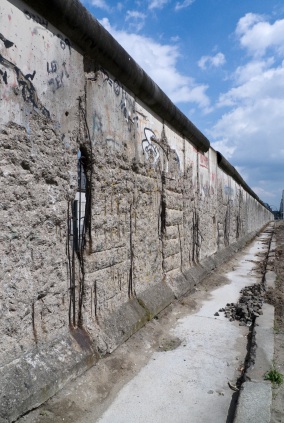
Behind this wall lies the unseen Bordeaux
Bordeaux has walled itself off from the youthful advocates in this country. What they need to do is take us passionate people to the countrysides of Bordeaux to show us the greats, as well as the meek. They’ve put up so many layers of brokers and middlemen that I can’t access the people behind the wines.
It seems to be the opposite problem as that of Australia. Whereas Yellow Tail and other mega-wineries have swallowed the market in such a way that the average consumer doesn’t know great wines exist there (and certainly don’t want to pay for them), Bordeaux has done the opposite. Bordeaux has convinced the world that nothing but Mercedes and BMWs exist in it’s world.
But I, and most of my sommelier friends in NYC, drive proverbial Volkswagens…
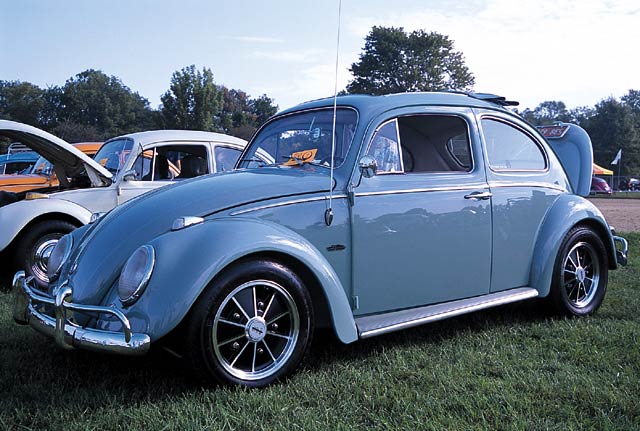
Let's snuggle up in the back seat and drink some Sherry