Well, its now official.  The twelve crafty wine fakers have gotten the French gavel and its off to prison for some and hefty fines for others.  As I wrote last week, E&J Gallo was sold a ridiculous amount of fake Pinot which was passed off on the world as Red Bicyclette Pinot Noir, which was in fact anything but.  After a year of investigations, the twelve culprits faced the music this week.

All in all, its thought that 18 million bottles of fake Pinot hit the market, mostly in the US.  The profits were huge for the swindlers, who are estimated to have reaped a combined profit of 7 million euros (approx. $9.5 million).  The odd thing?  Not a single US consumer complained.

Who's in the stocks? Gallo or the fakers?

But those in the Languedoc are angry; especially the judge, who declared, “the scale of the fraud caused severe damage for the wines of Languedoc for which the United States is an important outlet.”

Fines range from approximately $2,000 to $250,000 and some will spend one month to six months in jail.  The damage to the Red Bicyclette brand is pretty catastrophic and I’m curious to see Gallo’s next move.  According the their website, they are “deeply disappointed.”  Yeah.  That’s the understatement of the year.

I’m still eager to know:  How did this go unnoticed by Gallo?  And for so damn long?  And what exactly was in those bottles of Red Bicyclette Pinot?  We may never know…

I say we do the prison guards in France a favor and save them some money by replacing the convict’s afternoon foie gras snacks with some good old American Spam pucks.  I wonder if they’d notice the difference?

In what may be a massive raping and pillaging of the great Gallo’s wallet and operations in France, the French are investigating whether E&J Gallo was sold fake Pinot Noir.  And incredible amounts of it:  3.57 million gallons, to be precise.

Fueled by greed and the ever-flowing dollar that Gallo provides, some Languedoc vignerons may have packaged their cheap swill with a ‘Pinot’ label and slipped it off on Gallo, who then slipped it off on the world as Red Bicyclette Pinot Noir 2007.

Now I gotta be honest, when I first read this, I chuckled a bit.  Oh, silly Gallo, looks like you bit off more than you can chew on your French field trip when you were led into a dark alley and sold a trunk full of fake Rolexes.  But really, millions of gallons?  How is that possible?

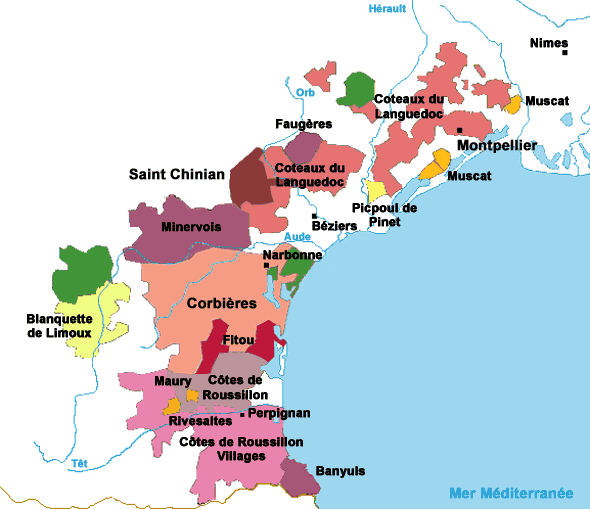
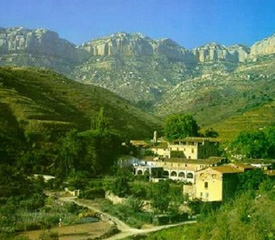
Languedoc-Roussillon

The Languedoc-Roussillon region of France is immense, and holds the title as the largest wine-producing region in the world.  A third of the volume of all of France’s wine flows from here, most of it being of the Vin de Pays (“country wine”) designation.

Between 2006 and 2008, Languedoc exported 160 million bottles of Pinot Noir which is odd, considering the entire region produced only 67 million bottles of Pinot Noir.  You do the math, but that is a boatload, no, an aircraft carrier-load of fake wine.  How could this happen?  Greed, my friends, and a mega-producer like Gallo and their flagship Languedoc wine, Red Bicyclette, to support it.

The whole idea of Red Bicyclette kind of nauseates me.  The French, in their unwillingness to label their top AOC wines by grape varietal (instead using regional designation) have missed out on a huge share of the US wine market and they know this but remain stubborn.

Mr and Mrs Johnson will buy a “Pinot Noir” because they saw the movie Sideways, but wouldn’t know whether to drink a Gevrey-Chambertin or pour it over their pancakes.  And they know French wines are supposedly superior, but damn confusing, so in comes Gallo to bridge this gap.  An American wine producer moves into the French countryside, discards the AOC system, buys massive amounts of juice and sells varietal-labeled wine off France’s doorstep.  Brilliant, really.  A bottle of French Pinot Noir?  For under $10? Perfect!  And a cute man on a bike carrying baguettes?  Even more perfect.  Oo la la!

But I have a heart, don’t get me wrong.  I stand for the authenticity of wine, and granted the average Joe wouldn’t know the difference between 100% Pinot and a methanol-infused blend of Grape Kool-Aid, the whole thing stinks of the Wizard of Oz and the man behind the curtain.

You mean this isn't Pinot?!

And once that man is revealed, you kind of feel sorry for him.  His whole kingdom was based on a charade and now he’s exposed as a small, wimpering, lonely man.  Now this piece is not meant to persecute Gallo; sure, they’ve found a way to make millions of dollars by taking advantage of market forces, but the fact remains they may have been wronged on such a grand scale it’s staggering.   The sheer level of fraud stinks of thousands of barrels of sardines rotting in the Meditteranean sun.  And someone needs to face the stench.

As of now, after a year of investigations, 13 people have been arrested, including executives from two wineries, five co-operatives, négociant Ducasse and the conglomerate Sieur d’Arques.  French authorities are scheduled to reveal their final conclusions on February 17th and with millions of dollars at stake, its anybody’s guess how this will all shake down.  And questions remain:  what wines were passed off as Pinot?  And how did Gallo not notice?

In the meantime, keep sipping your Pinot but be careful where you purchase your Rolex.

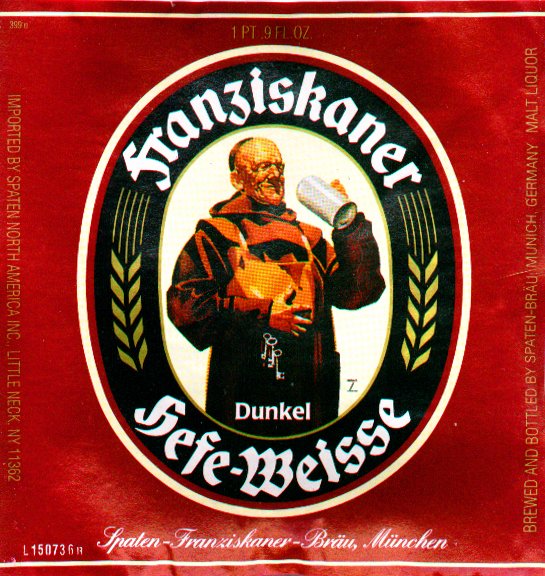
Dunkelweizen, Spaten-Franziskaner-Bräu, München, Germany

(5.0% alc)

You gotta love it when your friends prepare to move and unload their stuff on you.  Especially when its their booze.

A good friend of mine, Tamara, has just moved to London to begin a new adventure overseas.  The fortunate thing for me is that she had amassed quite a wine and beer collection here in the old NYC and obviously couldn’t tote all those feckin bottles across the Atlantic.  Poor thing.  So, like the jolly good friend I am, I offered to take it off her hands and met her at the wineshop where she was working to pick up my booty.

The stash was a score.  Some sparkling from Dr Konstantin Frank in the Finger Lakes, a bottle of my prized Pliny the Elder (double score), a bottle of Han Soju (Asian vokda), a few random tidbits and a couple of Franziskaner Dunkelweizens.  The monk was calling.  And you can’t deny a monk, can you?  So I poured me a glass…

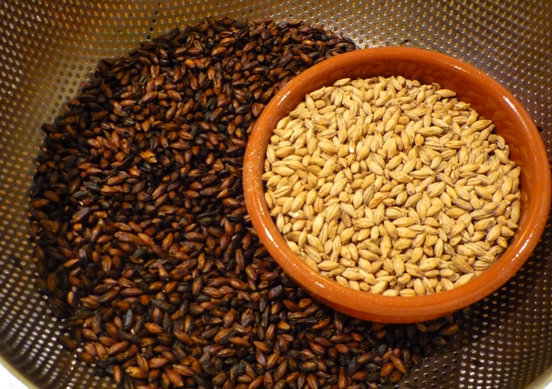
The word “dunkel” means “dark” and is most often used for two main categories of beer:  dark wheat beers and dark lagers.  They get their color from darker roasted malts and take on a distinctive taste.  In fact, all lagers were dark until the 1840’s when the golden lagers emerged from Pilsen (in what is now the Czech Republic).  The word “weizen” means “wheat” and the main difference between the two styles is that lagers are bottom-fermenting while wheat beers are top-fermenting (ales).

But back to the Franziskaner Dunkelweizen…its a dark wheat beer from a brewery dating back to 1363, making it the oldest privately-owned brewery in Bavaria.  1363!?  I know.  Ridiculous.  My mind can’t even wrap my thoughts around the sheer amount of delicious suds that have spawned from that spot on the planet.  Not to mention how many happy cows and pigs have fed off their used grain.  Munich spare ribs, anyone?

Located across the street from a Franciscan monastery, the brewery took on their name to pay the monks homage.  An omen of good luck?  A blessing from God?  Or just a reason to have some rowdy monks over for parcheesi parties?  Whatever the reason, its damn delicious stuff.  And the more beer I drink, the more I want the monk’s seal of approval.

With great head retention, the Franziskaner Dunkelweizen has a medium brown color with aromas of concord grape, raisins and graham crackers.  A smooth, silky mouthfeel overtakes your mouth like a tastebud blessing and unfolds flavors of grapes rolled in milk chocolate powder and graham crackers.  Hmm…a childhood snack?  Nice acidity and a palate cleansing finish.

What do you say, Tamara?  You join a monastery in England yet?  Well, get to it.  Shave your head, throw on a frock and start brewing.  You’ve got a friend in NYC who misses you and needs some more beer.

FX Matt Brewing Company

Many beers we know and love are actually brewed by “contract brewers”, who can be hundreds of miles or even entire states away.

“What?! What?!”, you say, “but that’s my hometown beer!”

Now, I hear you and I was surprised to learn this too, but its actually quite common.

A brewery that hires another is called a “contract brewing company”, while the one hired to do the brewing is called the “producer-brewery”.  There are a number of reasons to hire a contract brewer, but its mostly because of the large production demands that cannot be met by small craft breweries.

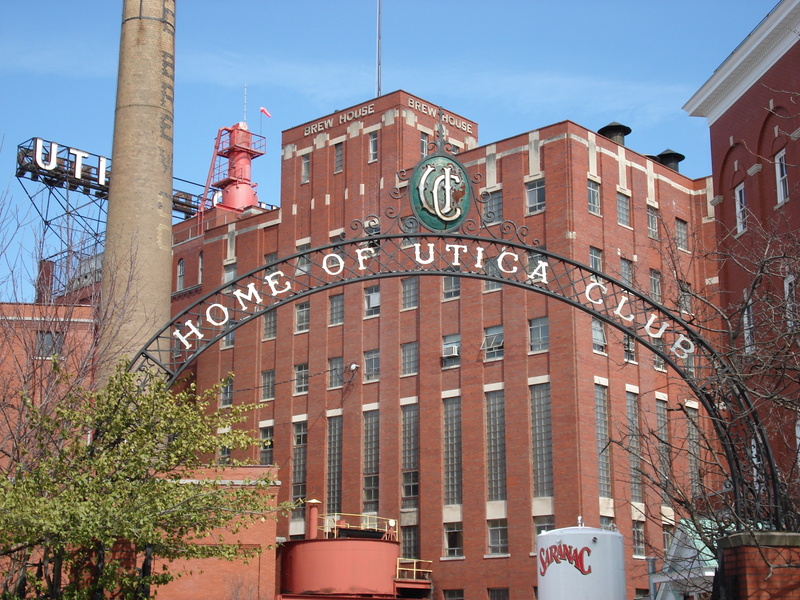
In New York, the FX Matt Brewing Company (Saranac) brews a number of beer brands we’re familiar with.  Based in the Adirondack Mountains of Utica, NY, they are the fourth oldest family-owned brewery in the country.

Some of the beers they’ve brewed over the years include the following:

And in honor of JD Salinger, who passed away today, I ask you to do a limited release of my Catcher in the Rye beer.

Come on, FX Matt, what do you say?  Throw a guy a bone.  Mr. Salinger would have wanted it that way.

“So, I know this underground Sake bar nearby…wanna go?”

“Hmm…I never really got into the stuff.  The process is interesting but the taste is pretty rough,” I said.  “But an underground Sake bar, you say?”

My fearless guide was my friend, Taylor, an actor turned doctor who somehow manages to know more cool restaurants and bars than I do.  Somewhere between suturing stab wounds and pulling 90 hour weeks, he manages to slip in a Bo Ssam at Momofuku or a specialty cocktail at Angel’s Share.  Maybe he’s just been lying to me about the whole doctor thing?  (Oh, nope, that story about inserting a catheter was way too vivid to be a fib).  So bring it, Dr T.

Photo: Malcolm Brown (nycgo.com)

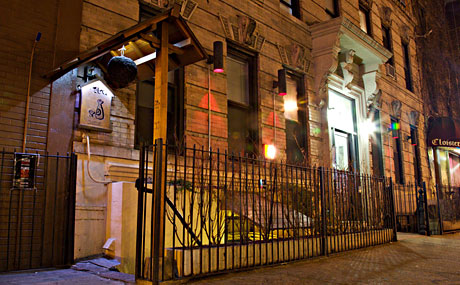
We made our way to 9th street in the East Village, where a wooden, non-descript archway stood over a staircase leading below the street to Decibel.  Was I being led into Jack the Rippers lair?  Was this some strange sex club from Eyes Wide Shut?  What that basement held, I really had no idea.  We opened the door and entered a new world (you gotta love that about NYC; you never know what world lies behind a closed door).

In a moment, we were transported to Tokyo or Kyoto.  The sounds of Japanese filled the air, as did the smells of noodles and pork.  A quick glance revealed a cramped space, with one row of about six seats running the length of a small bar with paper lamps and sagging ropes hanging above.  Behind the bar was a chef with a tiny kitchen…Barbie’s Noodle Station, was it?  And a wall of Sake bottles that dominated the landscape.

Photo: Malcolm Brown (nycgo.com)

We were led past the cramped bar into a second room that was about twice the size and packed to the gills with passionate imbibers.  It had a low ceiling and graffiti-covered walls made up of mostly Japanese characters, random drawings and Sake labels that had been affixed to the walls with concealed glue guns.  We saddled up to the bar where for the next hour, a drunken couple bumped into me repeatedly in a fit of passionate face-sucking.  My Sake lesson was about to begin.

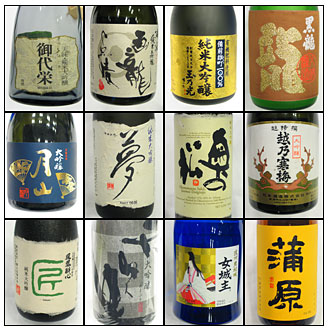
There are two main kinds of Sake:  those made purely from rice, Junmai, and those with brewer’s alcohol added to extract more flavors from the mash, Honjozo.  Within the Junmai realm, there are three levels of designation (Junmai, Ginjo and Daiginjo) which refer to how much the rice is polished down to remove the proteins and oils from the grains, leaving behind the starches.  The more polished, the higher quality the Sake.

With the help of koji, the mold used to convert the starch into fermentable sugars, it is fermented and then passed through a mesh to yield a clear liquid.  For a more thorough breakdown on the process, check out this great site on sake making.

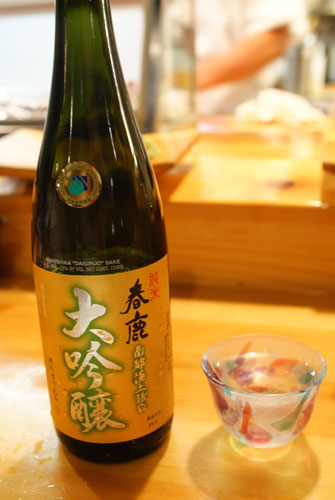
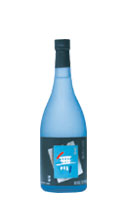
We would embark on two Junmai’s:  Harushika Junmai and the Mu DaiGinjo.

Harushika Junmai

Notes of blueberry and malt on the nose.  Almost smells like an Austrian Gruner Veltliner.  Hint of butterscotch on the palate with an oily mouthfeel and a taste of artificial banana exactly like in a bag of Runts candy.

Mu Daiginjo

Non-aromatic and hard to pull anything off the nose, except for a slight hint of apple cider vinegar.  More delicate and focused in its flavors with an almost sweat-like scent and an oxidized, Sherry flavor.  Hard to pinpoint exactly, but definite notes of Honeydew melon and a rounder mouthfeel than the Junmai.

Now, I can’t say I’m gonna run for President of the Sake of the Month Club, but I can say I’ve got new respect for the beverage.  The diversity of flavor and the rituals of serving of it are completely unique.  And if you’re ever in the East Village looking for a bar that will transport you far from the confines of Gotham, you gotta check out Decibel.

Just make sure the person you go with doesn’t go into details about feet boils and bed sores while you’re sipping your Ginjo…

Principio (100% Ciliegiolo), Antonio Camillo, 2008, Tuscany

(13.5% Alc)

“Hey, after you go in search of God, can you bring me back some vines?”

And so it was that an obscure grape varietal named Ciliegiolo left its home in Spain and came to rest in Tuscany.  Or so its rumored…and only God knows the truth.

Walking the pilgrimage from Italy to Spain is hot.  Brutally hot.  Your feet are covered in blisters.  All along the rocky path, you see people in various states of prayer, some half-conscious, others chanting quietly (sort of akin to a Grateful Dead show’s whirling denizens in various states of transcendence).  And then, out of nowhere, a mad hermit, with a look of possessed reverance bordering on the maniacal, hands you a vine with the instructions, “spread the love”.  And with that, he is gone.

You look down to see a scraggly grapevine in your palm, seemingly just ripped from the earth.  You have no choice.  It is now your mission.  You carefully pack it in your knapsack and continue the long pilgrimage.  A couple of weeks later, your body many pounds lighter, you pull the vine from your bag.  Barely alive and in need of some serious prayer, you plant it in the earth outside your home.  And thus, Ciliegiolo finds a new home in a new country.

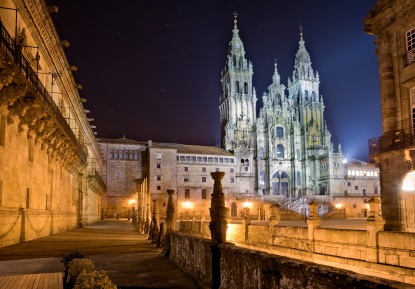
The Cathedral at the end of the line

For thousands of years, Christians and adventurous souls alike have been trekking a route called the Way of St James to reach the Cathedral of Santiago de Compostela in Northern Spain where legend has it that St James’ remains were carried here by boat from Jerusalem.  And its on this same path that some blessed soul is believed to have brought the Ciliegiolo vine from Spain to Italy.

Ciliegiolo (“cherry” in Italian) is one of those rare grapes that you’ll rarely find, and rarely find in its purest form.  Often blended with Sangiovese (and thought to be possibly be a parent of Sangiovese), Ciliegiolo is rarely found outside of the regions of Umbria and Tuscany where it is a minor blending grape in the wines of Chianti.  But not always…

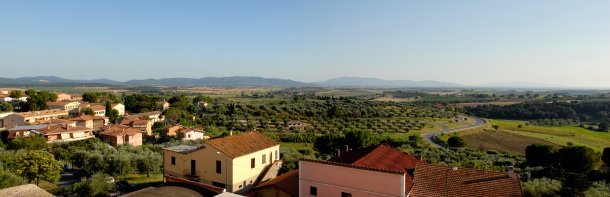
In the hills of Maremma (home of the Buttari, the famed cattle ranchers), near the southwestern border of Tuscany, you’ll find winemaker Antonio Camillo. His is a beautiful land near the Tyrrheanian Sea where modern tourists mingle with ancient traditions.  Owning a mere five hectares of vineyards, Antonio lets the earth do the talking and gets out of the way of his grapes’ song.  It is a song of the land and a song of the spiritual.

His Principio is made from 100% Ciliegiolo grapes from 40-year-old vines.  Medium bodied, the Principio is dry on the palate with notes of cooking spice and cherry that hit your mouth with such vibrancy that your tongue lights up with the sensation of life.  In fact, my entire tongue seemed to be possessed by some higher power.  What a sensation, I thought.  Is it the spirit of St James?  Perhaps…but only God knows the truth.

“The Mondavi Chardonnay?  Yes, its on Aisle 312 next to the Weber Twin-Propane Tank, Stainless Steel, Mega Wild-Game Grill.”

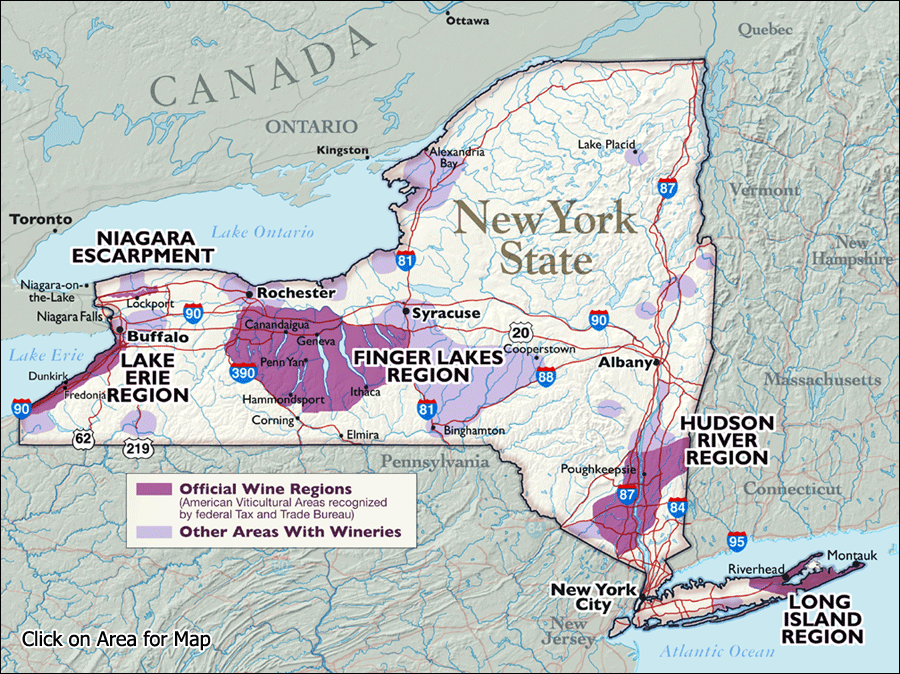
All across New York State, legislators and the wineries and wine shop owners they represent are in a heated debate.  Should New York grocery stores be allowed to sell wine or should it remain the sole domain of specialty wine shops?

It’s frankly a bit of a morass where no one quite knows what effects will follow should the gates fly open and the Costcos and the Gristedes be free to set the juice loose next to the WonderBread and Cap’n Crunch.

The essential debate:

–Will selling wines in grocery stores bring New York state wines to a broader audience or will they be lost in the flood of mass-produced wines guaranteed to make a buck for the stores?

–Will the state really make money on this, or will it simply be a one-time shot in the arm that later leaves the state scrounging for more without a mere monetary crack rock in sight to satiate its coffers?

–And what about the local wineshop? Throughout the last decade, we all stood by in awe as the juggernaut bohemoth of Wal Mart popped up in every town.  We watched as the small “mom and pop” stores shriveled on the vine and turned to dust before our very eyes.

Just think about the discount Yellow Tail would grant if you bought on such a scale that a fleet of Kangaroo-laden trucks dropped off 100 palates of the swill in one go?  And us as consumers, we’re culpable too, because where you gonna go for your fix?  The Shiraz at CostCo for $4.45 or the Shiraz at John’s Vino Hut for $7.oo?

We’ve seen it with Starbuck’s.  We’ve seen it with Barnes & Noble too.  Many of our favorite coffee shops and bookstores disappeared overnight, unable to compete with the price and convenience the big box stores provided. The fresh blood of the little guys hadn’t even dried on their corporate frocks before opening yet another outlet across the street.

But it’s not all doom and gloom, because something interesting has happened (at least in NYC).  Artisan beer shops, like Bierkraft in Brooklyn,  are still gaining popularity while micro-brewed beer is sold in grocery stores (including the massive Whole Foods).  Focusing on rare finds, quality products, hospitality and providing a level of goods the big boys would never find profitable, they’ve found footing in the business landscape.

Could this happen to our wine shops?  Sure they may have to mark down their bottles of Ferrari-Carano Fume Blanc, but maybe by finally focusing on the wines of the North Fork that lie at our doorstep, they’ll bring in more consumers who appreciate that level of specialization.

I recently read a great article written by Amy Zavatto in the latest issue of Edible Manhattan which served to only harden my confusion as many players in the wine industry took heated positions on both sides of the debate.  But ultimately, it’s anyone’s guess what the passing of the law could mean…

Where NY State Wines go to die?

Just before Christmas Eve dinner, the guests of the Royal Family retire to the Saloon to enjoy gin and tonics with the Queen (who drinks a dry Martini).  Afterwards, the guests are seated at 8:30 pm for a splendid, candlelit meal that unfolds in rehearsed waves of grandeur.  White wine is served with the hors d’oeuvres, Claret with the entrees and Champagne with dessert.

For the Brits, structure, tradition and ritual are all intertwined with the food and drink.  In fact, this is the way most of Europe dines and a way we Americans have often neglected.  And that’s a shame, because great food is often incomplete without great drink.

Fit for the Queen

What the hell am I rambling about, you ask?  Well, for me, it was a very British Christmas.  A British Christmas in Rochester, that is.  For four days, I was inducted into my in-laws ways and made an honorary Englishman (although I still prefer my turkey sannies warmed up in the microwave and WITHOUT the Branston Pickle).

The food and drink were superb, and the rituals and traditions unfolded around me like clockwork.  I left satiated and, despite the onslaught of tasty delights, hungry for more.  Well, that is except for one dish.  A dish that is still wrecking havoc on my tempermental Irish bowels…but more on that later…

More scrapies?

My friends, it was a swirl of unfamiliar dishes and unfamiliar customs.  A whirl of plates and serving bowls and Sherry glasses and Pilsner steins.  It was a world of food names ending in “y” or “ies” that served to make everything sound so cute and dainty (like the Queen herself) that I felt like I’d been whisked away to Willy Wonka’s Chocolate Factory.

With the Shepard’s Pie for Christmas Eve, I found myself fighting for the blackened, caked-on potato bits known as “Scrapies”.  We rationed out the final “Roasties” like they were the last roasted potatoes in Ireland.  For dessert, it wasn’t Fig Pudding but, you guessed it, “Figgy Pudding”.  Before retiring for bed, we drank “Milky” coffee (warm milk and instant decaf coffee).  It’s kind of akin to translating everything into Pig Latin…except you simply add a “y” or an “ie” and you’re good to go and fly the Union Jack on your porchy).

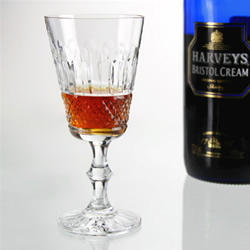
Ah, but it was grand.  Christmas Eve dinner began casually in the living room with sips of Cream Sherry, followed by a bottle of Rose Champagne that whisked us into the dining room where a splendid meal ensued.  For days, our chalaces were full of fine drink and our hearts with laughter–all was right in the world.  Until I met my culinary nemesis.

The Champagne of Rochester

Yes, my friends, a horrid beast lurked on the horizon.  One night, as I went in search of the true Rochester, and after a few hours of bowling and some pitchers of Labatt Blue, I was whisked into the car, told to not speak nor protest, and taken into the heart of Rochester to a small, non-descript diner.

It was unfair, really.  Because after a few days of great dishes and delicious Tawny Ports and Saranac microbrews, I was defenseless and unsuspecting.  Brutally, I was yanked into a dark world of grease and shady characters, where a styrofoam box filled with an unidentifiable steaming mass of food was shoved in my face.  And did I have a chilled, Finger Lakes Riesling to sip with it?  Nope.  An ice cold Pilsner to force it down with?  Nope.  Merely a sugar-laden, lukewarm soda and the cries of “mama” in my head.

Ladies and gentlemen, I give you my first “Garbage Plate” (or is it the Trashy Mashy?  Or the Filthy Stinky?)

Check out the horrifying video below:

httpvhd://www.youtube.com/watch?v=kjvtKKXjBrQ

Priority: Priorat

Lone Traveler

“Dude, get your ass to Priorat!”

And so it was that I received this text message from my friend who’s currently gallivanting through Europe on a journey to see the wines and vineyards of the world (rough, I know).  Apparently, as my ass was slaving away in the mines of the East Village, he was “sitting on the balcony of my hotel room in Gratallops (central Priorat), drinking a bottle of PRIORAT!”

scaladei, priorat

And, yet, as I sat there on the floor of our subterraneous wine room in the bowels of NYC, I felt oddly close to my fair, traveling friend.  Because a quick glance revealed that only a few feet away sat numerous bottles of Priorat’s finest juice.  And in some, strange cosmic way, we were connected across the oceans.

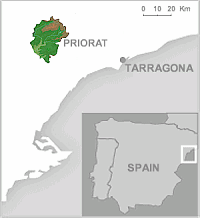
Priorat Map

So…Priorat…just what the f and where the f is that?, you ask.  Well, my curious friends, its time you got on board because Priorat (“Pree-oh-rot”), Spain is perhaps the most innovative, exciting wine region to come out of the Spanish food and wine juggernaut of the past couple of decades.

Located in the province of Tarragona in the Catalonian region in Northeast Spain, Priorat is tucked away in a remote, rocky, hilly region out of the public eye.  A mere backwater of incredibly steep valleys and terraced vineyards, Priorat smashed its way onto the international stage in the 1990’s thanks to an influx of young, innovative winemakers like Alvaro Palacios, Rene Barbier, Carles Pastrana and Jose Lluis Perez.

priorat_slopes

Like the cultivation of many of our great beverages (Belgian beer, anyone?), the vines were first planted by monks in the 12th century and were tended for centuries until 1835 when they were taken over by the state.  Ain’t that a bitch?  You and your God-fearing brothers spend hundreds of years building up your vineyards to a level of greatness rarely experienced, only to then have the government come in and take it all away.  (If you’re thinking about confiscating my homebrew supplies for your own pleasure, Mayor Bloomberg, think again).

Alvaro Palacios

Alvaro Palacios

But the whole region’s wine production came to a screeching halt with the arrival of Philloxera at the end of the 19th century and the vineyards fell into disrepair and sat fallow until finally being replanted in the 1950’s.  True greatness became possible, however, when superstars like Barbier and Palacios brought their exceptional talent, bold vision and rich wine making pedigrees to the region in the 1980’s.

Rene Barbier

Rene Barbier

The wines mostly center around the red Garnacha grape (“Granache” in other countries) and are rich, concentrated and intensely alive with minerality from the slate-rich soils.  Oak is used judicially and is not the centerpoint as it is in Rioja.  Terroir-driven and true labors of love for those who work the rocky hills, Priorat wines are worth the finding and worth the price.

And, to my freewheeling, travelling friend:  thanks for rubbing it in that you’re drinking your way through Europe.  But know this:  with each passing day, i grow closer to my own fateful meeting with the hills of Priorat…

And until then, fair explorer, keep drinking the good juice and don’t forget to change your socks.  You have incredibly aromatic feet.  And not in a good way.

Some wines to check out:

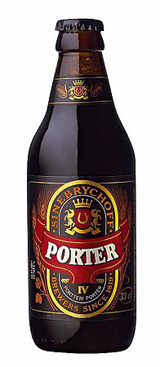
Baltic Porter, Oy Sinebrychoff Ab, Kerava, Finland

(7.2% alc)

SinebrychoffI hereby declare that all of our soldiers be supplied with the latest in body armor technology, lightweight night-vision goggles and Camelbak drinking systems filled with Imperial Porter.

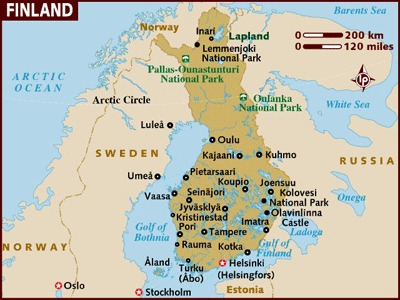
In an attempt to fill out my beer list at Hearth and Terroir with some eclectic, international styles of Porter, I stumbled into the great white north of Finland.  Frankly, I knew nothing about Finnish beer, and frankly I still have only cracked the surface.  But what lies bubbling underneath is a rich brewing history.

Katharina-II-von-Russland

Katharina + Porter = Love

So what’s this about troops being supplied with beer?  Well, in the 18th century, Empress Katharina of Russia became enamored by the high-alcohol, roasted malts of Imperial Porters.  So much so that she decreed all her troops be supplied with it.

(Honestly, after tasting some of these huge, sometimes heavy beers, its clear that Katharina was a Russian badass.  I’m sure her parties were pretty wild and, no doubt, involved bejeweled beer bongs made from reindeer horns and ended in mass sex romps on polar bear skin rugs–well, at least that’s how I imagine it).

Finland Sky

But back to Finland.  Although brewing began in the Middle Ages, the first brewery in Finland (as well as ALL the Nordic Countries) was Sinebrychoff.  And to this day, “Suomalaisen oluen päivä,” or the ‘Finnish Beer Day’ is celebrated on October 13th to commemorate its founding, as well as the birth of Finnish beer.

The most popular styles of beer in Finland are Pale Lagers (go figure: we’ve got Budweiser as our unofficial American mascot), but it is the Sinebrychoff Porter that caught my attention.  And with a country as cold and near the Arctic Circle as Finland is, I’d prefer to slip into my yurt on a cold winter night with a rich Porter.

Finland map

Created by Nicolai Sinebrychoff in 1819, in what is today the oldest operating brewery in Scandinavia, Sinebrychoff uses four different malts (Vienna, Munich, Chocolate and Caramel) and two types of hops (Hallertau and Saaz) for its Porter.

Roasted chocolate flavors dance through minefields of espresso grinds and wind you through a cherry-tinged core that washes your mouth in a refreshing blast of drinkability (and trust me, drinkability is key with big porters.  That is unless you like the taste and mouthfeel of Pennsoil motor oil with your Chocolate Mousse…)

What do you say, General McChrystal?  If we’re gonna send a shitload more of our boys into harm’s way, the least we can do is outfit them with some good, hearty beer in their backpacks.  It’s only common courtesy.

Soldier backpack

There better be Porter in that knapsack...

Barrel ManWhat’s life without the barrel?

It seems that everywhere I look these days, my favorite breweries are releasing tricked-out, new barrel-aged beers.

Port barrels, whisky barrels, sherry casks, madeira casks, wine barrels.  Its kind of dizzying.

What’s next?  Monkey barrels?  Fish barrels?  Oil drums?  (Who knows, perhaps an Exxon Light Crude Porter would pair beautifully with my grilled Rib Eye steak.  Mmm, fossil fuels…delicious).

But what may seem like a new partnering is far from that—at least in the overall picture of our favorite drinks.  I mean, the barrel and our bevies are more tried and true partners than peanut butter and jelly.

White Burgundy is nothing like its stellar self without aging in French oak.  Sherry is but a bizarre and funky wine before it travels through the towering, wooden solera.  And what’s Scotch without maturation in old whisky barrels?  It is only when our precious liquids and the wood come together that magic truly happens.

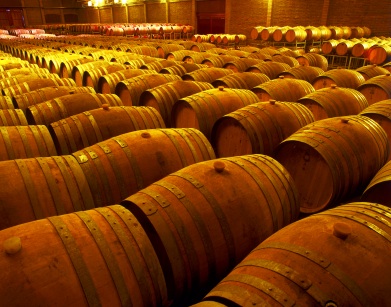
wine barrels/barriles de vinoOak is fine and oak is king.  Its been the perfect vessel for storing our beers, our liquors, our wines and even our fresh water for centuries.

And what to do with them once they’ve served their purpose?  Well, use them again, of course!  Bourbon barrels are used in Kentucky then shipped to the Scottish Highlands where they undergo a second life in the maturing of Single Malt Scotch.  But why?

Well, their harsh tannins have mellowed and after their aging requirements are completed, barrels are essentially chock full of flavor and filled with the soul of the spirit that once called them home.  And like a haunted house, their former inhabitants are very much alive and very much held in limbo.  So free them, ye fine brewers, free the spirits.

I tried two barrel-aged beers recently that rocked my world and opened my palate to new quivering heights of flavor:

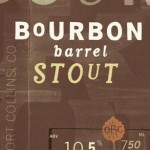
Odell Bourbon Barrel Stout LabelODELL, BOURBON BARREL STOUT 10.5% abv

Coming out of the beer mecca of Fort Collins, Colorado (a slight tear of pride always rolls down my face when I see my hometown beers kicking ass), Odell’s brews an Imperial Stout and then transfers it to Kentucky bourbon barrels where the wood, the beer and the soul of Kentucky bourbon meld to create a magical elixir of intoxicating flavor.  (Warning: this beer with a rich dessert is such a great pairing that it just might blow the doors off your Chevy).

Gorgeous, foamy head with excellent retention.  Notes of concord grape rolled in cocoa powder on the nose.  Blueberries and milk chocolate unfold on the palate.  Deep chocolate and espresso flavors with a fruit center that’s super drinkable and keeps me going back for more.  Deceptive how high in alcohol it is and wouldn’t pick bourbon out as a flavor.  Layers of flavor that unfold beautifully with an astounding complexity and drinkability.

Captain Lawrence Smoke from the OakCAPTAIN LAWRENCE, SMOKE FROM THE OAK PORTER (WINE BARREL AGED) 6.4% abv

Residing a mere hop, skip and a jump away from NYC, Scott Vaccaro’s brewery lies in Pleasantville, NY.  After homebrewing like mad, attending UC Davis’ Brewing Science program and working for Sierra Nevada for six years, Scott returned to his home state on the East Coast and set up shop in 2005.  For around 12 months, his Smoked Porter is aged in French oak barrels that once gently rocked fine Merlots and Pinot Noirs to sleep.

With a nose of roasted malt, a wee bit of smoke, a dash of dark fruit and what hints to be wine, you really have no idea what is in store for your naive palate.  Once sipped, the beer releases its wonderful secret trove of flavors and your mouth is off and running while your mind sorts out what you’re tasting.  A nice head on the beer with a core of sour cherries that taste as if they’ve been sprinkled with cocoa dust and stirred with an oak stave, the beer is complex, tasty and well-balanced for smokey, wine-loving drinkability.

O ye fine barrel, where would we be without your saintly touch?  Destitute, I say.  Degenerate and downright destitute.

So tip your hat for the barrel.  It deserves the respect.

Tip the Hat

Vine Thief

Chanhassen, Minnesota.  University of Minnesota test fields.  Dead of night.

A chill and a hush descended over the grapevines.  Not even a bird could be heard warbling, nor a nematode nipping at the roots in the soil.  The moon beams glistened on the small berries and you could practically smell the grapes in the air.  But all was not well…

Silently, and with delicate footsteps, an intruder entered the vineyard.  A glint of moonlight caught a piece of metal, and for a moment the vines collectively breathed a nervous inhalation.  With the precision and knowledge of a regular on this plot of land, the figure in black stealthily made its way to the vines on the outer perimeter.

vine shearsPausing for a moment, he met eye to plant with his prey and then, he too, breathed a quick, nervous inhalation.  There was no turning back now.  And after giving a quick look over the shoulder, the thief expertly wielded a pair of pruning shears, and with the skill of an assassin, quickly removed five to six cuttings from the prized victims.

With another quick move, the cuttings were stashed in a knapsack, the shears were sheathed and the intruder had hopped the fence.  In an instant, it was over.  And a vineyard lie violated by an unseen, unknown botanist ninja.

But this was not just any vineyard.  The University of Michigan fields at the Minnesota Landscape Arboretum are home to thousands of grapevines; a test tube for the future, if you will.  An outdoor lab where years of work go into developing vines that can withstand disease, frost or crawly nasties that normally befell the heartiest of vines.

And sometime around October 20th, vines from six plants were stolen in the dead of night.  But these weren’t any old grapevines.

Picture by Jennifer Simonson, Star Tribune

Photo by Jennifer Simonson, Star Tribune

The clippings were from a special cross of vine designed to stand up to the harsh conditions of Minnesota, and they were the representation of years of Peter Moe’s work.  But now somewhere in a dark, dank laboratory, its clippings are being cloned and an evil viticulturist laughed in the night.

Who is this masked man (or woman)?  How did they know which vines to target?  How did they escape undetected?  Were they wearing a ninja outfit?

Police suspect a former employee.  I, personally, suspect Batman.  Rumor has it, he just can’t get enough of that Minnesota Frontenac.

These questions continue to haunt the University of Michigan and to keep Peter Moe awake at night…

Airline stewardesses blowing kisses

So, there I am reading the NY Times over a cup of coffee, when I see an article about Singapore Airlines hiring Master Sommeliers to help them select wines.  What? I thought.  Are you frickin serious?!  I mean, we all know the airlines are scrimping and saving in every damn corner of this industry, and now they’re dabbling in fine Bordeauxs?  But then I thought about it some more…

Let’s say I’m a well-heeled jet-setter zipping around Asia in first class.  I want my glass of bubbly when I sit down, and I want my Roasted Venison Loin for my mid-afternoon snack.  And you know if I don’t get my satin pillow and fur sleep mask, I’m gonna be a mean SOB at that board meeting in Tokyo.

airline food

I was kind of intrigued; what was this all about?  So I started doing some digging, and what I found is a multi-billion dollar segment of the industry, complete with crack tasting panels, shrewd buyers and even their own awards categories.

Airplane food used to suck (and, yes, okay, for many of us in coach, it still does.  Frankly, I often debate whether to eat the “Gourmet Chicken Sandwich” thats been microwaved within mere inches of edibility, or just to gnaw on my hand until I arrive at my destination).

But for those in Business Class and First Class, you’ve got menus designed by celebrity chefs, recipes that have been rigourously tested for in-flight practicality and ingredients that are thoughtfully sourced.

But how about them drinks?  I remember a few years ago when I first noticed that Best Cellars began picking the wine selections for Jet Blue (not exactly my first choices in wine, but I’ll bet they saw an uptick in sales and the brand awareness for Best Cellars and the wines they selected no doubt was spread near and far).

Airplane wine bottleAnd this is not new territory for the airlines.  They’re cutthroat about the added perks they need to please the luxury traveler who just ain’t satisfied with a hot towel in the face and a glass of commercial swill in their glass.  Over the last decade, airlines have made themselves an attractive market for wineries, and with the world’s economy hitting many of them below the belt, these wineries are scrambling to get their wines out in the luxury market however they can.

Just check out some of these facts I dug up:

  • Singapore Airlines (or “SIA”) spends about $16 million a year on wine, serving about 2.2 million bottles
  • SIA’s expert panel (three independent panelists including a Master of Wine and a famed British wine writer) tastes about 1,000 different wines to select only 16-18
  • British Airways voluntarily pays for staff members to take classes through the Wine and Spirits Education Trust to be awarded in-flight sommelier status
  • Delta Airlines goes furthest by offering a rigorous 7-day wine and food course that runs from 7 am to 9 pm called the Vinum Wine Academy
  • Business Traveler Magazine has a competition every year called Cellars in the Sky that awards airline wine programs.  Check out the winners in this category:
    • Best First-class Cellar
      • 1 Lufthansa
      • 2 Qantas
      • 3 TAM (Brazil)
      • 4 Emirates
      • 5 Qatar Airways

What’s next?  Great beer lists at a mile-high?  Flying mixologists?  Trained monkeys who make sushi rolls to order?  And why not?  Lets bring the good life to the skies.

Now if I can just find me a nice, crisp Riesling to pair with my microwaved chicken sandwich…hmm…thinking a Bernkasteler Doctor from the Mosel just might do the trick.  Oh, and a foot rub would be great; just ignore the crying baby who’s up in my grill in 23A.

Airplane seats

Apple cider

Autumn is the bite of a harvest apple. Christina Petrowsky

All hail the glorious apple.  Man’s relationship with this versatile and forbidden fruit goes back thousands of years.  Today, there are over 55 million tons of apples produced worldwide each year…now that’s some serious fanaticism.

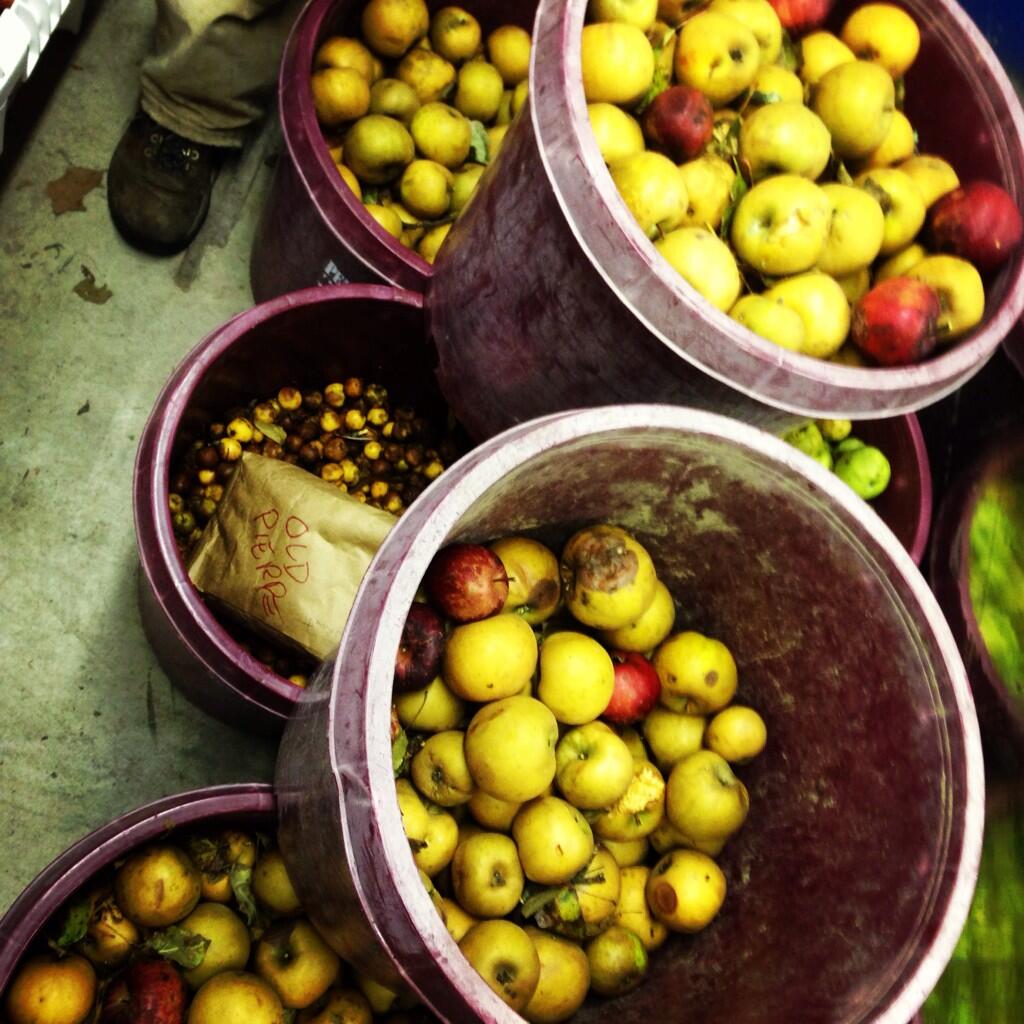
I was tasked to bring in 6-8 new ciders for our restaurant and wine bar…shit, I thought, I know nothing about ciders.  In fact, I’d only drank the low-end, horrible stuff while living in England and NOT had good experiences.  But I went to work, and was stoked at what I found.  This is some serious stuff that deserves a taste and a look.

The history of hard apple cider is interesting.  Somewhere along the line, some ingenious soul stumbled upon the mysterious art of fermentation when they squashed a bushel of their orchard’s finest, left it outside (where natural yeasts went to work) and a few weeks later discovered a magical elixir.  Thus, cider was born.

Today, there are over a hundred different varieties of apples grown specifically to make cider; you could travel the world on a quest for different styles and endless incarnations and never come up with an empty glass.
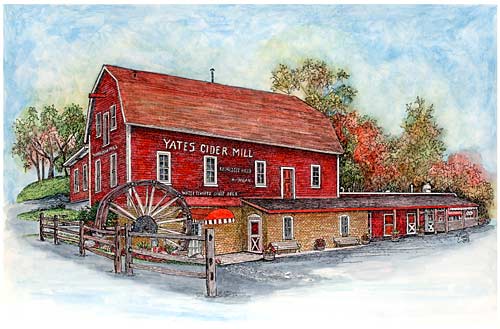
Yates Cider Mill by Margaret M. Glinke

Yates Cider Mill by Margaret M. Glinke

Production, like that of wine, is relatively simple.  Once the apples are deemed mature, they are plucked from their tree houses and ground down into pomace. Historically, this was done using pressing stones with circular troughs, or by a “cider mill”, which was operated by hand, water wheels or by horse-power.

Today, they are most often run by electricity (not surprisingly, due to no more hours of clopping around in circles, the number of dizzy horses found roaming the farm has also decreased).
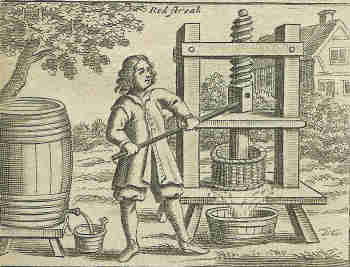
cider makingThe pomace is loaded into 10-12 layers, each separated by straw mats or wooden racks, and then subjected to intense pressure until all the fresh juices are squeezed out.

Fermentation is done at low temperatures to maintain the apple’s delicate aromas and after a three-month fermentation period, is ready to drink.  Most often though, they are further matured in vats for up to two or three years to allow the flavors to mature and develop.

Cider is produced worldwide, but like any other famous beverage, has its areas of true renown.  The Normandy region of France, the Basque country of Spain and the Northeastern United States have a long history with ciders.  Specific varieties of apples are meticulously grown, carefully blended, and sometimes augmented with fresh fruit to create a dizzying array of styles and complexity.

Now sit back, pour a glass and breathe in the Autumn air.  It’s cider time, people.

***Recommended***
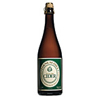
farnum_hill_extra_dry_sparkling

1.  Farnum Hill, Extra Dry Sparling, New Hampshire (750 ml)

Made from a blend of English, French and American cider apples.  Clean aromas and a bite of acidity that blends well with the carbonation; mouth-cleansing and food-ready.  Comparable to a crisp sparkling wine.

2.  Warwick Valley Winery, Doc’s Draft Hard Apple Cider, New York (650 ml)docs hard apple cider
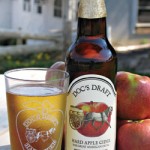
Semi-dry and effervescent.  Crisp bite of acidity and a huge fruit-forwardness that manages to stay in balance while being huge in flavor, with a clean finish. (4.5% alc)

3.  Warwick Valley Winery, Doc’s Draft Framboise, New York (650 ml)

Fresh raspberries are added to the Hard Apple Cider and re-fermented for a spin on the traditional cider.  Big fresh hit of raspberry with a maintaining of the apple at the core.  Nicely balanced and refreshing.  (5.5% alc)
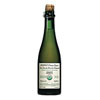
dupont cider4.  Etienne Dupont, Cidre Bouché Brut du Normandie, 2008, France (375 ml)

Made from 80% bitter-sweet apples (Mettais, Binet Rouge and Frequin) and 20% acid apples (Judaines and Petit Jaune).  Aromas of acidic apples, yeasty funk, citrus fruit and with a sustained, pleasurable complexity and a long finish.    (5% alc)


5. Bereziartua Sydre, Natural Apple Cider, Basque Region, Spain (750 ml)
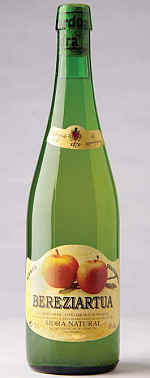
Bereziartua_Sidra_CiderFounded in 1870, Bereziartua is a step back in time.  Unfiltered and slightly effervescent with aromas of peaches, oranges and yeast.  Tart apple flavor and a bit of funk on the nose that gives a distinct sense of terroir with a generous amount of minerality.   (6% alc)

ClipboardSometimes you gotta do your homework.  And when it comes to beer drinking, this ain’t homework you’ll go into kicking and screaming.

In an attempt to further my beer education, I caught a ride to Brooklyn’s Bierkraft and began grabbing single bottles of anything that looked unfamiliar or whispered my name in a sweet Irish brogue as I walked by it on the shelf (“Psst, O’Flaherty, you wee bastard, pick me…free me from my shelfish prison…”).  I ended up with mostly an array of bizarre Belgian, Italian and French beauties.

But I also focused on two styles in particular:  Porters and Pilsners.  Admittedly, and somewhat surprisingly, I rarely find myself ordering up a pint of these two types of beer.  And so it was, that I walked out on a fine Friday afternoon with 24 random beers, including 4 Pilsners and 3 Porters.

The mission?  Get savvy on the history and nuances of these styles to better understand them and then declare a winner.  (Note:  all winners will be gloriously displayed on my kitchen table for 48 hours and will get a silent nod of acknowledgement as I pass by).  The beers were poured by my trusty co-brewer (aka my wife) while I was in the other room, so I would be completely objective in the tasting.  Now, let the homework begin.


PILSNERS

PilsnerFirst brewed in the Czech town of Pilsen in Bohemia, Pilsner is one of the most popular styles of lager beers in Germany, and in many other countries (you ever heard of Budweiser?  Yep, an “American-Style Lager” which is a lighter version of the original Czech Pilsner).  Classic German Pilsners are light straw to golden yellow in color with a nice dense and rich head.  They are generously hopped with a spicy herbal and floral aroma and flavor with a bitter, dry finish.

The Contenders:

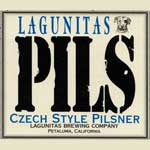
  1. Lagunitas, PILS Czech Style Pilsner, California (5.3 % alc)
  2. Oskar Blues, Mama’s Little Yella Pils, Colorado (5.3% alc)
  3. Pinkus Muller, Organic Ur Pils, Germany (5.2% alc)
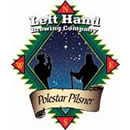
  4. Left Hand, Polestar Pilsner, Colorado (5% alc)

PORTERS

18th Century LondonLet’s travel now to London, where the development of porters evolved.  A dark-colored style of beer, the name “Porter” was first used in the 18th century because of its popularity with the street and river porters of London.  A few styles emerged, with the Stronger Porters being called “Stout Porters” or “Extra Porters”, which would eventually become simply “Stouts”.  Porters are generally brewed with dark malts with balanced use of hops and an average alcohol in the 4%-7.5% range.

The contenders:

  1. Smuttynose, Robust Porter, New Hampshire (5.7% alc)
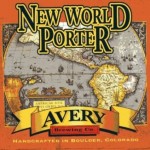
  2. Avery, New World Porter, Colorado (6.7% alc)
  3. Geary’s, London Style Porter, Maine (4.2% alc)

And the winners after a rigorous, laughter-filled tasting were:

PILSNERS

#1

#1

#2

#2

Pinkus Ur Pils

#3

#4

#4

PORTERS

Smuttynose Porter

#1

#2

#2

#3

#3

Don’t worry, Mrs Stevenson, my dog didn’t drink my homework this week, it’s right here!  Now can I go out for recess and have a pint?

« Newer Posts - Older Posts »